


- Afhalen na 1 uur in een winkel met voorraad
- Gratis thuislevering in België vanaf € 30
- Ruim aanbod met 7 miljoen producten
- Afhalen na 1 uur in een winkel met voorraad
- Gratis thuislevering in België vanaf € 30
- Ruim aanbod met 7 miljoen producten





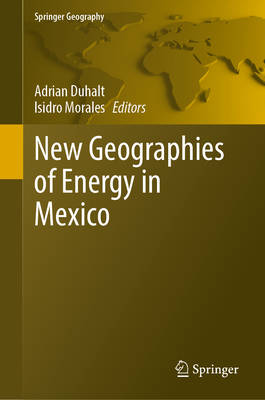
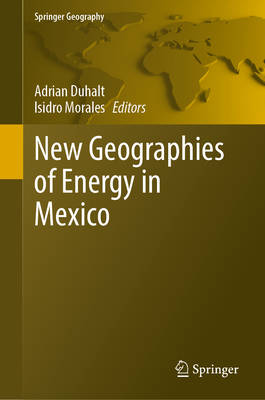
New Geographies of Energy in Mexico
€ 129,95
+ 259 punten
Omschrijving
The world is experiencing a profound energy transition driven by the urgent need to address the realities of climate change and the volatile nature of global energy markets. The shift from a century of fossil fuel dominance to a diversified, lower-carbon future is redrawing economic landscapes, geopolitical alliances, and national strategies. But what does this global overhaul mean for nations striving to balance energy security, development and environmental goals, and economic stability? This contributed volume examines how these forces are being expressed, contested, and reconfigured in Mexico. Moving beyond traditional analyses of production, demand, or investment trends, this book emphasizes the distinctly geographical dimension of energy: the ways in which exploration and production activities, pipelines, refineries, power plants, natural gas corridors, and renewable energy projects reorganize space, influence regional development trajectories, and affect livelihoods. Chapters explore how Mexico's energy sector has evolved over the span of decades from a highly centralized state monopoly to an increasingly complex ecosystem of public, private, local, and international actors. In doing so, the book illuminates the tensions between national energy policies and goals, economic competitiveness, and the imperative to decarbonize. Through empirically grounded, locally informed analyses, New Geographies of Energy in Mexico illustrates how energy activities reshape territories at multiple scales, triggering social, economic, and environmental repercussions. The result is a resource for scholars, policymakers, industry leaders, and anyone seeking to grasp how energy is reshaping the regions of a critical North American player and what Mexico's experience reveals about the complexities, challenges, and opportunities of crafting a more diversified energy industry.
Specificaties
Betrokkenen
- Uitgeverij:
Inhoud
- Aantal bladzijden:
- 313
- Taal:
- Engels
- Reeks:
Eigenschappen
- Productcode (EAN):
- 9783032264879
- Verschijningsdatum:
- 2/08/2026
- Uitvoering:
- Hardcover
- Formaat:
- Genaaid
- Afmetingen:
- 155 mm x 235 mm

Alleen bij Standaard Boekhandel
+ 259 punten op je klantenkaart van Standaard Boekhandel
Cadeau

AANGERADEN


Beoordelingen
We publiceren alleen reviews die voldoen aan de voorwaarden voor reviews. Bekijk onze voorwaarden voor reviews.