


- Afhalen na 1 uur in een winkel met voorraad
- Gratis thuislevering in België vanaf € 30
- Ruim aanbod met 7 miljoen producten
- Afhalen na 1 uur in een winkel met voorraad
- Gratis thuislevering in België vanaf € 30
- Ruim aanbod met 7 miljoen producten





€ 220,45
+ 440 punten
Uitvoering
Omschrijving
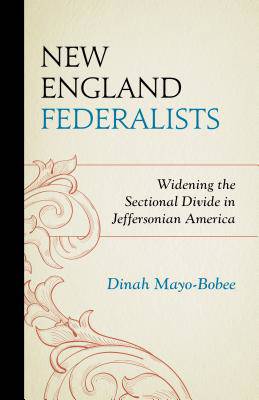
Beginning with controversies related to British and French attacks on U.S. neutral trade in 1805, this book looks at crucial developments in national politics, public policy, and foreign relations from the perspective of New England Federalists. Through its focus on the partisan climate in Congress that appeared to influence federal statutes, New England Federalists: Widening the Sectional Divide in Jeffersonian America sets out to explain, in their own words, why Federalists, especially those often deemed extreme or radical by contemporaries and historians alike, escalated a campaign to repeal the Constitution's three-fifths clause (which included slaves in the calculation for congressional representation and votes in the Electoral College) while encouraging violations of federal law and advocating northern secession from the Union. Unlike traditional interpretations of early nineteenth-century politics that focus on Jeffersonian political economy, this study brings the impetus for Federalist obstructionism and sectionalism into sharp relief. Federalists who became the sole defenders of New England's economic independence and free labor force, later issued calls for northerners to unite against the spread of slavery and southern control of the central government. Along with controversies that placed sectional harmony in jeopardy, this work links themes in Federalist opposition rhetoric to the important antislavery arguments that would flourish in antebellum culture and politics.
Specificaties
Betrokkenen
- Auteur(s):
- Uitgeverij:
Inhoud
- Aantal bladzijden:
- 254
- Taal:
- Engels
- Reeks:
Eigenschappen
- Productcode (EAN):
- 9781611479850
- Verschijningsdatum:
- 31/01/2017
- Uitvoering:
- Hardcover
- Formaat:
- Genaaid
- Afmetingen:
- 155 mm x 231 mm
- Gewicht:
- 544 g


Alleen bij Standaard Boekhandel
+ 440 punten op je klantenkaart van Standaard Boekhandel
Cadeau

AANGERADEN


Beoordelingen
We publiceren alleen reviews die voldoen aan de voorwaarden voor reviews. Bekijk onze voorwaarden voor reviews.