


- Afhalen na 1 uur in een winkel met voorraad
- Gratis thuislevering in België vanaf € 30
- Ruim aanbod met 7 miljoen producten
- Afhalen na 1 uur in een winkel met voorraad
- Gratis thuislevering in België vanaf € 30
- Ruim aanbod met 7 miljoen producten





€ 169,95
+ 339 punten
Uitvoering
Omschrijving
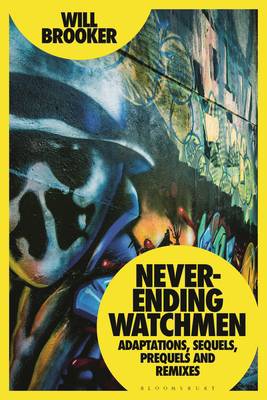
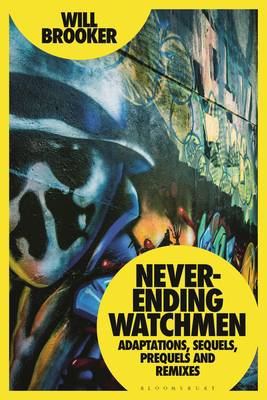
What began with Alan Moore and Dave Gibbons' landmark graphic novel, Watchmen (1987) is no longer a single story, but rather a cross-platform, multi-media franchise, including a role-playing game and video game, a motion comic, a Zack Snyder movie, and a series of comic book prequels and sequels, as well as a prestige HBO TV series.
Will Brooker explores the way that Watchmen expanded over time from the mid-1980s to the present day, drawing on theories of adaptation, intertextuality and deconstruction to argue that each addition subtly changes our understanding of the original. Does it matter whether these adaptations are 'faithful'? Can they ever be, as they cross over into another medium? How does each version enter a dialogue with the others? And as Damon Lindelof's series ran parallel to an entirely distinct comic book Watchmen sequel, Doomsday Clock, how do readers and viewers make sense of these conflicting narratives? Can we relate the unstable, shifting stories of Watchmen to our contemporary climate of post-truth, where we have to weigh up contradictory versions of the facts and decide which we believe?Specificaties
Betrokkenen
- Auteur(s):
- Uitgeverij:
Inhoud
- Aantal bladzijden:
- 272
- Taal:
- Engels
Eigenschappen
- Productcode (EAN):
- 9781350198746
- Verschijningsdatum:
- 5/10/2023
- Uitvoering:
- Hardcover
- Formaat:
- Genaaid
- Afmetingen:
- 156 mm x 234 mm
- Gewicht:
- 557 g


Alleen bij Standaard Boekhandel
+ 339 punten op je klantenkaart van Standaard Boekhandel
Cadeau

AANGERADEN


Beoordelingen
We publiceren alleen reviews die voldoen aan de voorwaarden voor reviews. Bekijk onze voorwaarden voor reviews.