


- Afhalen na 1 uur in een winkel met voorraad
- Gratis thuislevering in België vanaf € 30
- Ruim aanbod met 7 miljoen producten
- Afhalen na 1 uur in een winkel met voorraad
- Gratis thuislevering in België vanaf € 30
- Ruim aanbod met 7 miljoen producten





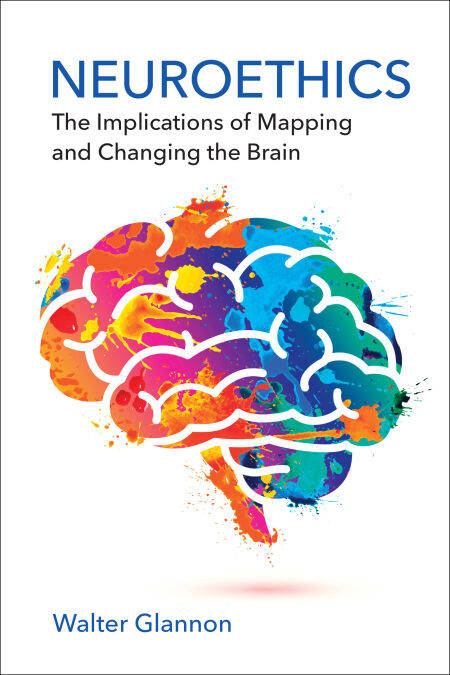
Neuroethics E-BOOK
The Implications of Mapping and Changing the Brain
Walter Glannon
E-book | Engels
€ 73,92
+ 73 punten
Omschrijving
An examination of ethical issues in recording and intervening in the brain, and the neurobiological basis of moral decision-making.
Neuroethics is an introduction to the main ethical and legal issues in six areas of experimental and clinical neuroscience: neuroimaging; disorders of consciousness; brain death; cognitive and moral enhancement; the neurobiological basis of moral reasoning; and neural prosthetics. The book is distinctive in offering a comprehensive discussion of the main issues in the ethics of neuroscience and the neuroscience of ethics that have developed over the last 25 years.
Walter Glannon captures the historical, current, and future-oriented aspects of neuroethics and discusses emerging issues such as the use of machine learning and artificial intelligence in diagnostic and predictive neuroimaging, brain organoids, and neural prosthetics, as well as neurorights to protect information about people’s brains.
Neuroethics is an introduction to the main ethical and legal issues in six areas of experimental and clinical neuroscience: neuroimaging; disorders of consciousness; brain death; cognitive and moral enhancement; the neurobiological basis of moral reasoning; and neural prosthetics. The book is distinctive in offering a comprehensive discussion of the main issues in the ethics of neuroscience and the neuroscience of ethics that have developed over the last 25 years.
Walter Glannon captures the historical, current, and future-oriented aspects of neuroethics and discusses emerging issues such as the use of machine learning and artificial intelligence in diagnostic and predictive neuroimaging, brain organoids, and neural prosthetics, as well as neurorights to protect information about people’s brains.
Specificaties
Betrokkenen
- Auteur(s):
- Uitgeverij:
Inhoud
- Aantal bladzijden:
- 294
- Taal:
- Engels
Eigenschappen
- Productcode (EAN):
- 9780262384933
- Verschijningsdatum:
- 10/11/2025
- Uitvoering:
- E-book
- Beveiligd met:
- Adobe DRM
- Formaat:
- ePub


Alleen bij Standaard Boekhandel
+ 73 punten op je klantenkaart van Standaard Boekhandel
Cadeau

AANGERADEN


Beoordelingen
We publiceren alleen reviews die voldoen aan de voorwaarden voor reviews. Bekijk onze voorwaarden voor reviews.