


- Afhalen na 1 uur in een winkel met voorraad
- Gratis thuislevering in België vanaf € 30
- Ruim aanbod met 7 miljoen producten
- Afhalen na 1 uur in een winkel met voorraad
- Gratis thuislevering in België vanaf € 30
- Ruim aanbod met 7 miljoen producten





€ 132,50
+ 265 punten
Omschrijving
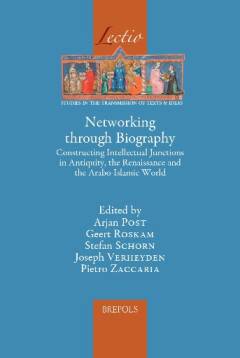
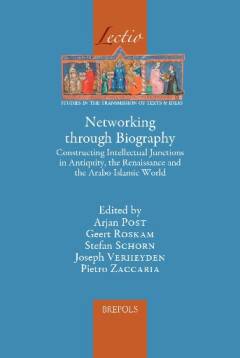
Networking through Biography. Constructing Intellectual Junctions in Antiquity, the Renaissance and the Arabo-Islamic World collects thirteen contributions exploring various ways in which biography was used to create and modify intellectual networks in Greco-Roman antiquity, the Italian Renaissance and the Arabic Middle Period. The volume examines not only biographies in the proper sense of the term, but also other forms of biographical discourse, such as encyclopedias, historical works and autobiographies. The essays deal with biographies of a wide range of persons, including poets, politicians, semi-mythical lawgivers, philosophers, rhetoricians, Christian theologians, and Islamic scholars. By detecting parallel developments and different or similar networking strategies, the diachronic approach taken in the present volume reveals specific characteristics of networking through biography in different intellectual and literary traditions, showing that creating intellectual networks was an important, sometimes even the central, function of biographical writing.
Specificaties
Betrokkenen
- Auteur(s):
- Uitgeverij:
Inhoud
- Aantal bladzijden:
- 472
- Taal:
- Arabisch, Engels, Grieks
- Reeks:
- Reeksnummer:
- nr. 19
Eigenschappen
- Productcode (EAN):
- 9782503620008
- Verschijningsdatum:
- 19/03/2026
- Uitvoering:
- Hardcover
- Formaat:
- Genaaid
- Afmetingen:
- 156 mm x 234 mm
- Gewicht:
- 984 g


Alleen bij Standaard Boekhandel
+ 265 punten op je klantenkaart van Standaard Boekhandel
Cadeau

AANGERADEN


Beoordelingen
We publiceren alleen reviews die voldoen aan de voorwaarden voor reviews. Bekijk onze voorwaarden voor reviews.