


- Afhalen na 1 uur in een winkel met voorraad
- Gratis thuislevering in België vanaf € 30
- Ruim aanbod met 7 miljoen producten
- Afhalen na 1 uur in een winkel met voorraad
- Gratis thuislevering in België vanaf € 30
- Ruim aanbod met 7 miljoen producten





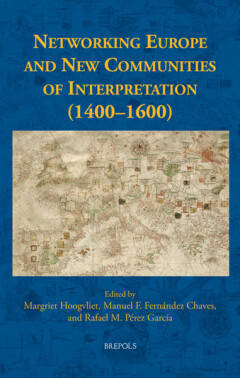
Networking Europe and New Communities of Interpretation (1400-1600)
Margriet Hoogvliet
€ 79,50
+ 159 punten
Omschrijving
Long-distance ties connecting Europeans from all geographical corners of the continent during the fifteenth and sixteenth century facilitated the sharing of religious texts, books, iconography, ideas, and practices. The contributions to this book aim to reconstruct these European networks of knowledge exchange by exploring how religious ideas and strategies of transformation 'travelled' and were shared in European and transatlantic cultural spaces. In order to come to a better understanding of Europe-wide processes of religious culture and religious change, the chapters focus on the agency of the laity in 'new communities of interpretation', instead of intellectual elites, the aristocracy, and religious institutions. These new communities of interpretation were often formed by an urban laity active in politics, finance, and commerce. The agency of religious literatures in the European vernaculars in processes of religious purification, reform, and innovation during the long fifteenth century is still largely underestimated. 'Networking Europe' aims to step away from studying 'national' textual production and consumption by approaching these topics instead from a European and interconnected perspective. The contributions to this book explore late medieval and early modern networks connecting people and transporting texts following three main axes of investigation: 'European Connections', 'Exiles, Diasporas, and Migrants', and 'Mobility and Dissemination'.
Specificaties
Betrokkenen
- Auteur(s):
- Uitgeverij:
Inhoud
- Aantal bladzijden:
- 247
- Taal:
- Engels
- Reeks:
- Reeksnummer:
- nr. 4
Eigenschappen
- Productcode (EAN):
- 9782503606217
- Verschijningsdatum:
- 23/06/2023
- Uitvoering:
- Hardcover
- Formaat:
- Genaaid
- Afmetingen:
- 163 mm x 239 mm
- Gewicht:
- 616 g


Alleen bij Standaard Boekhandel
+ 159 punten op je klantenkaart van Standaard Boekhandel
Cadeau

AANGERADEN


Beoordelingen
We publiceren alleen reviews die voldoen aan de voorwaarden voor reviews. Bekijk onze voorwaarden voor reviews.