


- Afhalen na 1 uur in een winkel met voorraad
- Gratis thuislevering in België vanaf € 30
- Ruim aanbod met 7 miljoen producten
- Afhalen na 1 uur in een winkel met voorraad
- Gratis thuislevering in België vanaf € 30
- Ruim aanbod met 7 miljoen producten





€ 135,95
+ 271 punten
Uitvoering
Omschrijving
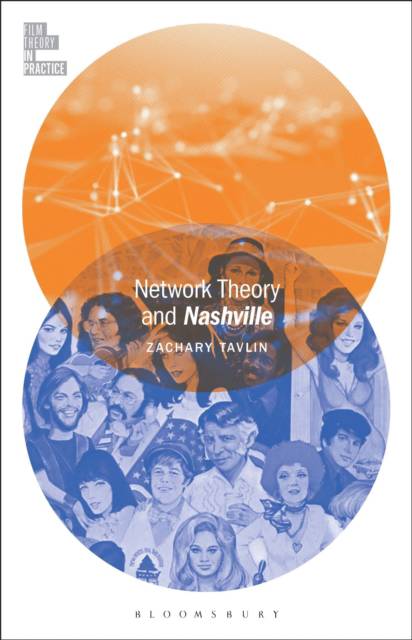
The Film Theory in Practice series fills a gaping hole in the world of film theory. By marrying the explanation of a film theory with the interpretation of a film, the volumes provide discrete examples of how film theory can serve as the basis for textual analysis. This book provides a broad introduction to network theory and shows how this theory can motivate a close reading of Robert Altman's 1975 film Nashville.
By offering a tour of the expansive intellectual network we can now call network theory, the book demonstrates how analyzing the ubiquitous characteristics of networks changes the way film fans, students, and scholars might understand cinema's storytelling possibilities. It models a method of interpretation (focusing on character, cinematography, and sound) that students can practice with other feature films. Moreover, it situates film within a larger discourse about art and society, offering students the tools for analyzing other large-form cultural objects. Organized into two parts, the first section of the book presents an overview of network theory, its various facets as a still-emerging discourse, and its historical context in post-industrial life, before turning to Altman's Nashville. It then explores the film's narrative style and character system as a special case of network cinema, to show how there is more than "connectedness" alone to the network form.Specificaties
Betrokkenen
- Auteur(s):
- Uitgeverij:
Inhoud
- Aantal bladzijden:
- 224
- Taal:
- Engels
- Reeks:
Eigenschappen
- Productcode (EAN):
- 9781501388217
- Verschijningsdatum:
- 8/01/2026
- Uitvoering:
- Hardcover
- Formaat:
- Genaaid
- Afmetingen:
- 127 mm x 203 mm
- Gewicht:
- 344 g


Alleen bij Standaard Boekhandel
+ 271 punten op je klantenkaart van Standaard Boekhandel
CADEAU

AANGERADEN


Beoordelingen
We publiceren alleen reviews die voldoen aan de voorwaarden voor reviews. Bekijk onze voorwaarden voor reviews.