


- Afhalen na 1 uur in een winkel met voorraad
- Gratis thuislevering in België vanaf € 30
- Ruim aanbod met 7 miljoen producten
- Afhalen na 1 uur in een winkel met voorraad
- Gratis thuislevering in België vanaf € 30
- Ruim aanbod met 7 miljoen producten





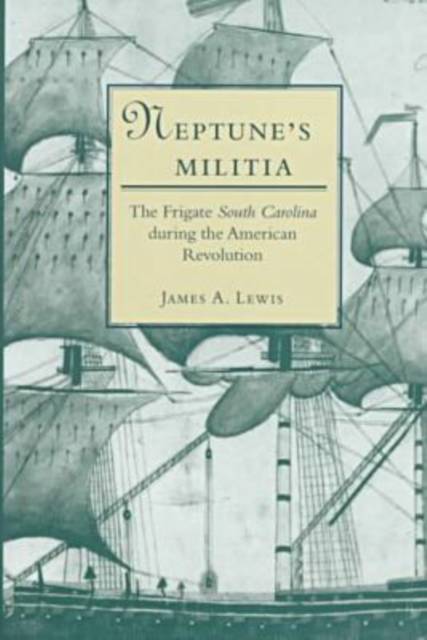
Neptune's Militia
The Frigate South Carolina During the American Revolution
Lewis
Hardcover | Engels
€ 59,95
+ 119 punten
Omschrijving
The virtues of the citizen-soldier are prominent in the history of the American Revolution, but less attention has been given to the citizen-sailor. However, there were state navies during the war, the seaward equivalent of the state militias, and the state of South Carolina put to sea the most important of these. Under the leadership of Commodore Alexander Gillon the South Carolina navy secured the services of the largest warship under any American's command, the frigate South Carolina. Built in Holland and designed to combine speed with firepower, this frigate's most notable achievement was the capture of the British Bahamas in 1782 in the only American military maneuver to seize and hold foreign territory outside the borders of the Thirteen Colonies. With success, however, came controversy. At the end of the war, the South Carolina was chased to the ground by three British warships and captured. The state of South Carolina struggled for seventy years to honor the financial obligations incurred in operating the frigate.
Specificaties
Betrokkenen
- Auteur(s):
- Uitgeverij:
Inhoud
- Aantal bladzijden:
- 288
- Taal:
- Engels
Eigenschappen
- Productcode (EAN):
- 9780873386326
- Verschijningsdatum:
- 27/10/1999
- Uitvoering:
- Hardcover
- Formaat:
- Genaaid
- Afmetingen:
- 163 mm x 237 mm
- Gewicht:
- 498 g


Alleen bij Standaard Boekhandel
+ 119 punten op je klantenkaart van Standaard Boekhandel
Cadeau

AANGERADEN


Beoordelingen
We publiceren alleen reviews die voldoen aan de voorwaarden voor reviews. Bekijk onze voorwaarden voor reviews.