


- Afhalen na 1 uur in een winkel met voorraad
- Gratis thuislevering in België vanaf € 30
- Ruim aanbod met 7 miljoen producten
- Afhalen na 1 uur in een winkel met voorraad
- Gratis thuislevering in België vanaf € 30
- Ruim aanbod met 7 miljoen producten





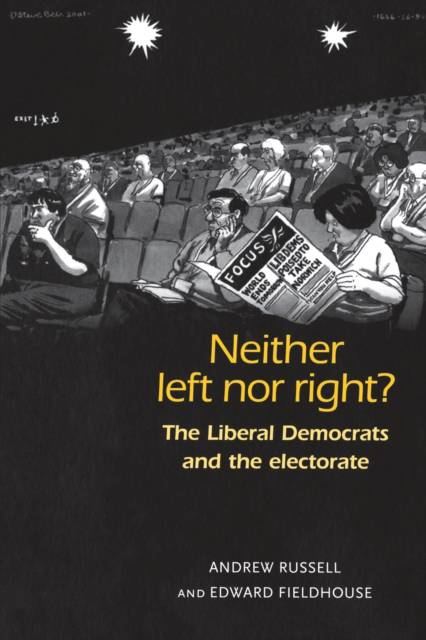
Neither Left Nor Right?
The Liberal Democrats and the Electorate
Andrew Russell, Edward Fieldhouse
Paperback | Engels
€ 48,45
+ 96 punten
Eenvoudig bestellen
Veilig betalen


Gratis thuislevering vanaf € 30 (via bpost)
Gratis levering in je Standaard Boekhandel
Omschrijving
This fascinating book provides a comprehensive and considered account of the nature of Liberal Democrat electoral politics in contemporary Britain. It explores the specific challenges facing the Liberal Democrats in their struggle for identity, distinctiveness and, most importantly, votes, and examines the different layers of the party, in terms of organisational structure, strategy and representation. The book begins with an analysis of the history of the Liberal party from the days of Lloyd George through to the present day, before looking closely at the party's role in contemporary British politics. It looks at the organisation of the party, from the grassroots to the leadership, and considers the anatomy of the Liberal Democrat vote - who votes for the party and why. It goes on to analyse the party's continuing search for votes and also for seats, which has led the party to align itself closely to Labour in the early days of the first New Labour Government, and therafter to gradually to weaken that alignment. The book includes a number of case studies of how local strategies were adopted in heartland and marginal seats at the 1997 and 2001 elections.The first modern, up to date analysis of the Liberal Democrats to be written, Neither Left nor right? will be essential reading for students of British politics and British political parties.
Specificaties
Betrokkenen
- Auteur(s):
- Uitgeverij:
Inhoud
- Aantal bladzijden:
- 288
- Taal:
- Engels
Eigenschappen
- Productcode (EAN):
- 9780719066016
- Verschijningsdatum:
- 1/01/2005
- Uitvoering:
- Paperback
- Formaat:
- Trade paperback (VS)
- Afmetingen:
- 161 mm x 233 mm
- Gewicht:
- 444 g



Alleen bij Standaard Boekhandel
+ 96 punten op je klantenkaart van Standaard Boekhandel
CADEAU

AANGERADEN


Beoordelingen
We publiceren alleen reviews die voldoen aan de voorwaarden voor reviews. Bekijk onze voorwaarden voor reviews.