


- Afhalen na 1 uur in een winkel met voorraad
- Gratis thuislevering in België vanaf € 30
- Ruim aanbod met 7 miljoen producten
- Afhalen na 1 uur in een winkel met voorraad
- Gratis thuislevering in België vanaf € 30
- Ruim aanbod met 7 miljoen producten





Omschrijving
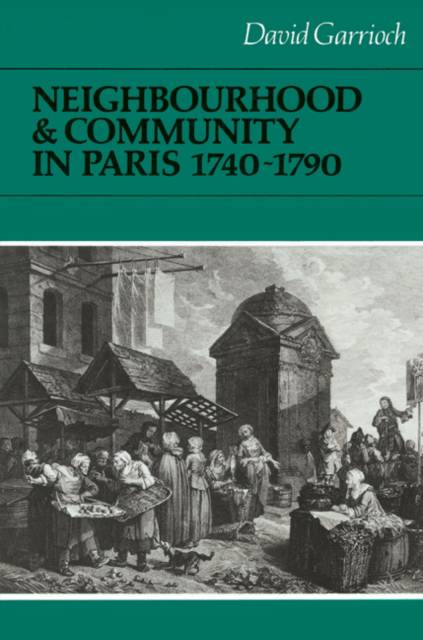
In the second half of the eighteenth century, Paris was the second largest city in Europe, with a population of some half a million. Contemporary writers described it as anonymous and chaotic, and so it must have seemed to many new arrivals from the provinces. Yet the records of the local police officials, which have remained virtually untouched for two hundred years, reveal a world which was far from anonymous, where most people went about their daily affairs in streets and shops where not only the places but also the faces were familiar. From the mass of individual disputes and incidents reported to the police in each quarter there emerges a picture of a structured, largely self-regulating local community based first and foremost on neighbourhood ties. This study explores the way that such communities functioned and were maintained, and in the process touches on many aspects of life in eighteenth-century Paris.
Specificaties
Betrokkenen
- Auteur(s):
- Uitgeverij:
Inhoud
- Aantal bladzijden:
- 292
- Taal:
- Engels
- Reeks:
Eigenschappen
- Productcode (EAN):
- 9780521522311
- Verschijningsdatum:
- 8/08/2002
- Uitvoering:
- Paperback
- Formaat:
- Trade paperback (VS)
- Afmetingen:
- 162 mm x 239 mm
- Gewicht:
- 430 g


Alleen bij Standaard Boekhandel
+ 155 punten op je klantenkaart van Standaard Boekhandel
AANGERADEN


Beoordelingen
We publiceren alleen reviews die voldoen aan de voorwaarden voor reviews. Bekijk onze voorwaarden voor reviews.