


- Afhalen na 1 uur in een winkel met voorraad
- Gratis thuislevering in België vanaf € 30
- Ruim aanbod met 7 miljoen producten
- Afhalen na 1 uur in een winkel met voorraad
- Gratis thuislevering in België vanaf € 30
- Ruim aanbod met 7 miljoen producten





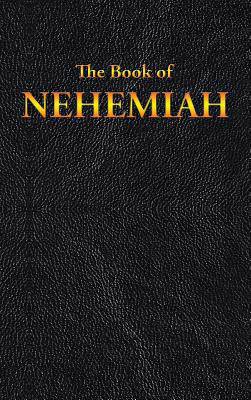
Omschrijving
The Book of Nehemiah records the rebuilding of Jerusalem's walls and the reestablishment of communal order in the aftermath of exile.
Set in the fifth century BCE during the Persian period, Nehemiah recounts the return of a Jewish official serving at the court of Artaxerxes and his efforts to restore the physical and civic structure of Jerusalem. The narrative combines personal memoir, administrative record, and covenantal renewal, portraying leadership exercised amid opposition and uncertainty. Its tone is practical and disciplined, concerned with fortification, governance, and the reconstitution of communal identity.
Alongside the rebuilding of walls stands the renewal of law and collective responsibility. Public readings of the Torah, confession, and reaffirmed covenant signal a society seeking stability through moral and religious reform. In its sober account of reconstruction after displacement, Nehemiah occupies a significant place within the historical writings of the Hebrew Scriptures, reflecting the endurance of a people and the shaping of post-exilic identity.
Specificaties
Betrokkenen
- Auteur(s):
- Uitgeverij:
Inhoud
- Aantal bladzijden:
- 34
- Taal:
- Engels
Eigenschappen
- Productcode (EAN):
- 9781515440932
- Verschijningsdatum:
- 31/05/2019
- Uitvoering:
- Hardcover
- Formaat:
- Genaaid
- Afmetingen:
- 152 mm x 229 mm
- Gewicht:
- 222 g


Alleen bij Standaard Boekhandel
+ 41 punten op je klantenkaart van Standaard Boekhandel
AANGERADEN


Beoordelingen
We publiceren alleen reviews die voldoen aan de voorwaarden voor reviews. Bekijk onze voorwaarden voor reviews.