


- Afhalen na 1 uur in een winkel met voorraad
- Gratis thuislevering in België vanaf € 30
- Ruim aanbod met 7 miljoen producten
- Afhalen na 1 uur in een winkel met voorraad
- Gratis thuislevering in België vanaf € 30
- Ruim aanbod met 7 miljoen producten





€ 172,95
+ 345 punten
Omschrijving
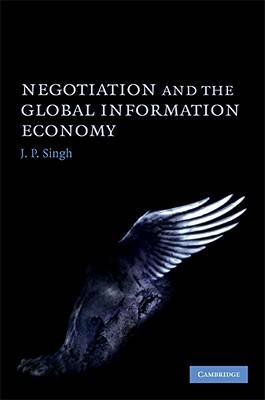
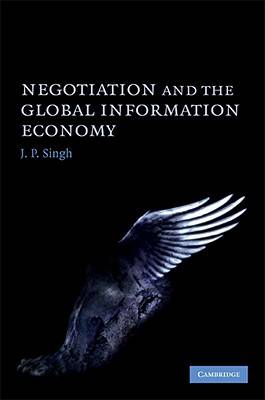
What role do diplomacy and negotiations play in economic globalization? Many argue that great powers shape diplomacy to their advantage, others that, in a 'flat world', diplomacy helps everyone. Going beyond these polarized views, this book explores the conditions under which negotiations matter and the ways in which diplomacy is evolving in the global commercial arena. J. P. Singh argues that where there is a diffusion or decentralization of power among global actors, diplomacy can be effective in allowing the adjustment of positions so that mutual gains will result. In contrast, when there is a concentration of power, outcomes tend to benefit the strong. There will be little alteration in perception of interest, and coercion by strong powers is common. Singh's book suggests that there are possibilities for transformational problem-solving through multilateral diplomacy. Empirically, the book examines the most important information-age trade issues.
Specificaties
Betrokkenen
- Auteur(s):
- Uitgeverij:
Inhoud
- Aantal bladzijden:
- 380
- Taal:
- Engels
Eigenschappen
- Productcode (EAN):
- 9780521515313
- Verschijningsdatum:
- 20/11/2008
- Uitvoering:
- Hardcover
- Formaat:
- Genaaid
- Afmetingen:
- 155 mm x 229 mm
- Gewicht:
- 725 g


Alleen bij Standaard Boekhandel
+ 345 punten op je klantenkaart van Standaard Boekhandel
Cadeau

AANGERADEN


Beoordelingen
We publiceren alleen reviews die voldoen aan de voorwaarden voor reviews. Bekijk onze voorwaarden voor reviews.