


- Afhalen na 1 uur in een winkel met voorraad
- Gratis thuislevering in België vanaf € 30
- Ruim aanbod met 7 miljoen producten
- Afhalen na 1 uur in een winkel met voorraad
- Gratis thuislevering in België vanaf € 30
- Ruim aanbod met 7 miljoen producten





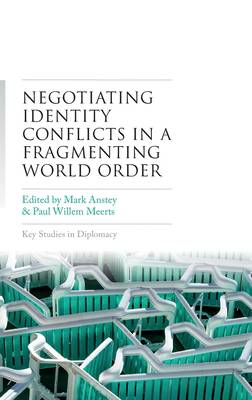
Negotiating identity conflicts in a fragmenting world order
€ 230,95
+ 461 punten
Omschrijving
Rapid systemic change within and across nations is disrupting traditional processes of identity formation and the ways groups manage their differences. The result is fragmentation: multiple identity groups making maximalist claims on governments and on one another. Internationally, a new tripolar imperialism is emerging, globalisation is weakening under US protectionism, and the United Nations' capacity to fulfil its mission has been eroded. Within states, democracy has been in retreat for two decades. Some governments build physical or digital walls to exclude outsiders; others push vulnerable groups out or deny minorities autonomy, while minorities resist majority rule. Traditional religions are divided over gender, sexuality, and human rights. As intolerance grows and interest in accommodation declines, we must rethink diplomacy, political design, and how identity can be negotiated in an era reshaped by cyber communication and AI.
Specificaties
Betrokkenen
- Uitgeverij:
Inhoud
- Aantal bladzijden:
- 330
- Taal:
- Engels
- Reeks:
Eigenschappen
- Productcode (EAN):
- 9781526195159
- Verschijningsdatum:
- 31/03/2026
- Uitvoering:
- Hardcover
- Formaat:
- Genaaid
- Afmetingen:
- 156 mm x 234 mm
- Gewicht:
- 639 g

Alleen bij Standaard Boekhandel
+ 461 punten op je klantenkaart van Standaard Boekhandel
Cadeau

AANGERADEN


Beoordelingen
We publiceren alleen reviews die voldoen aan de voorwaarden voor reviews. Bekijk onze voorwaarden voor reviews.