


- Afhalen na 1 uur in een winkel met voorraad
- Gratis thuislevering in België vanaf € 30
- Ruim aanbod met 7 miljoen producten
- Afhalen na 1 uur in een winkel met voorraad
- Gratis thuislevering in België vanaf € 30
- Ruim aanbod met 7 miljoen producten





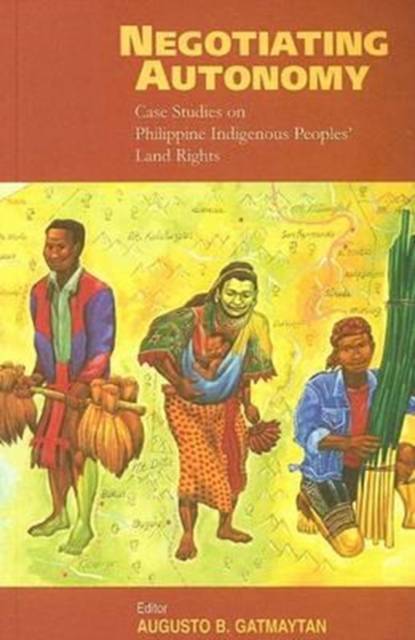
Negotiating Autonomy
Case Studies on Philippine Indigenous Peoples' Land Rights
€ 55,45
+ 110 punten
Omschrijving
This Book is based on some of the presentations made at the 2005 National Conference on Indigenous Peoples' Land Rights held in Quezon City, the Philippines. At its core are four case studies of different indigenous groups from various parts of the country; the Kankana-ey and Bago of the northern Cordilleras, the Buhid Mangyans of Mindoro, and the Subanon and Matigsalug of Mindanao. Each one describes an indigenous group's experiences, as it seeks to protect its lands and resources from external threats using, among others, the ancestral domain titling procedures of the Indigenous Peoples Rights Act (IPRA) of 1997. This law was promulgated as the Philippine state's response to decades of advocacy, activism and armed struggle by indigenous communities and their support groups. Together, the case studies allow the reader to explore the strengths and weaknesses of the IPRA, as communities located in differing historical, cultural and political contexts strive to negotiate the terms of their coexistence with other actors. The book thus contributes to the timely and much-needed assessment of the IPRA ten years after its promulgation, and serves as a starting point for discussions on indigenous peoples' rights vis-a-vis the state in the Philippines, and in Southeast Asia.
Specificaties
Betrokkenen
- Uitgeverij:
Inhoud
- Aantal bladzijden:
- 236
- Taal:
- Engels
- Reeks:
Eigenschappen
- Productcode (EAN):
- 9788791563225
- Verschijningsdatum:
- 1/02/2007
- Uitvoering:
- Paperback
- Formaat:
- Trade paperback (VS)
- Afmetingen:
- 150 mm x 226 mm
- Gewicht:
- 340 g

Alleen bij Standaard Boekhandel
+ 110 punten op je klantenkaart van Standaard Boekhandel
Cadeau

AANGERADEN


Beoordelingen
We publiceren alleen reviews die voldoen aan de voorwaarden voor reviews. Bekijk onze voorwaarden voor reviews.