


- Afhalen na 1 uur in een winkel met voorraad
- Gratis thuislevering in België vanaf € 30
- Ruim aanbod met 7 miljoen producten
- Afhalen na 1 uur in een winkel met voorraad
- Gratis thuislevering in België vanaf € 30
- Ruim aanbod met 7 miljoen producten





€ 44,45
+ 88 punten
Eenvoudig bestellen
Veilig betalen


Gratis thuislevering vanaf € 30 (via bpost)
Gratis levering in je Standaard Boekhandel
Omschrijving
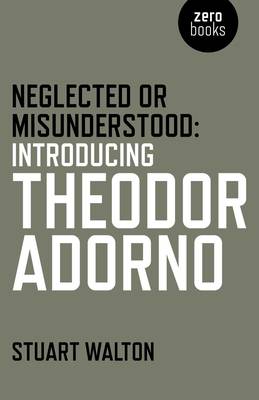
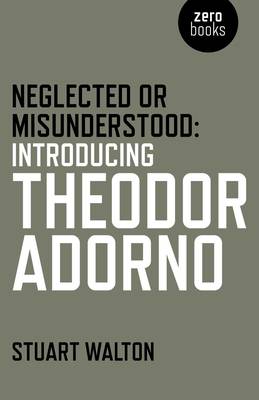
While Theodor Adorno has continued to be influential since his death in 1969, his very centrality has led to the left simplifying his ideas while the right placed him at the center of a myriad of wild conspiracy theories, all of them filed under the category of Cultural Marxism. Adorno has wrongly been blamed for everything from the Beatles to postmodernism, but he has continued to be read, if read badly. Stuart Walton's introduction to Adorno attempts to explain how this idiosyncratic thinker reframed elements of the Hegelian-Marxist dialectical in the fields of philosophy, sociology, politics and aesthetics and to rectify some of the major misunderstandings about Adorno and the Frankfurt School. When Walton began studying Adorno at Oxford in 1983 he felt that Adorno was nowhere in the English-speaking world, but that he should be everywhere. Now Adorno is everywhere, but hardly anywhere sufficiently or deeply understood.
Specificaties
Betrokkenen
- Auteur(s):
- Uitgeverij:
Inhoud
- Aantal bladzijden:
- 312
- Taal:
- Engels
Eigenschappen
- Productcode (EAN):
- 9781785353826
- Verschijningsdatum:
- 8/12/2017
- Uitvoering:
- Paperback
- Formaat:
- Trade paperback (VS)
- Afmetingen:
- 140 mm x 213 mm
- Gewicht:
- 408 g


Alleen bij Standaard Boekhandel
+ 88 punten op je klantenkaart van Standaard Boekhandel
CADEAU

AANGERADEN


Beoordelingen
We publiceren alleen reviews die voldoen aan de voorwaarden voor reviews. Bekijk onze voorwaarden voor reviews.