



- Afhalen na 1 uur in een winkel met voorraad
- In januari gratis thuislevering in België
- Ruim aanbod met 7 miljoen producten
- Afhalen na 1 uur in een winkel met voorraad
- In januari gratis thuislevering in België
- Ruim aanbod met 7 miljoen producten





€ 41,95
+ 83 punten
Uitvoering
Omschrijving
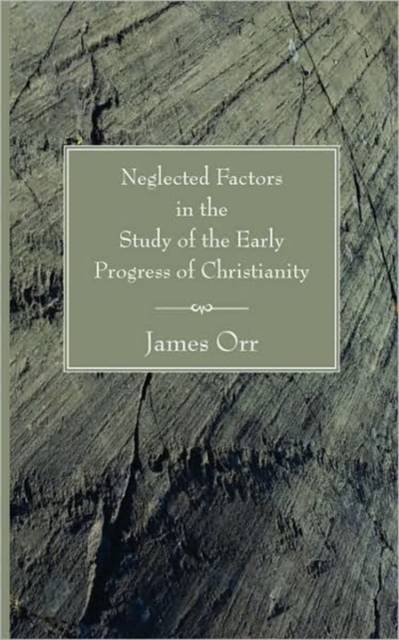
This volume represents the Morgan Lectures delivered at Auburn Theological Seminary in New York in October 1897. The advances in the history of Christianity have come about not so much from the discovery of new materials--though of these also unremitting research has yielded an abundant supply--as from the new historical temper in which scholars have approached their task; from the fresh power acquired of reading aright the meaning of the data already possessed, and of setting them in new lights and relations; from increased skill in coligating them, and in interpreting the significance of unnoticed details in their bearing on an entire situation--in which lies so much of the higher art of the historian. Just as the naturalist is reputed to be able from a single bone to reconstruct the form of some creature of the past, so our modern scholars aim at showing that the minutest fact is not isolated, but stands in organic relation with the all-pervading life of the time; and from comparison of the facts they seek to re-create for us a picture whose justification is its verisimilitude, and its power of interpreting the sum-total of the phenomena. --from Lecture One
Specificaties
Betrokkenen
- Auteur(s):
- Uitgeverij:
Inhoud
- Aantal bladzijden:
- 238
- Taal:
- Engels
Eigenschappen
- Productcode (EAN):
- 9781597524674
- Verschijningsdatum:
- 16/02/2006
- Uitvoering:
- Paperback
- Formaat:
- Trade paperback (VS)
- Afmetingen:
- 128 mm x 203 mm
- Gewicht:
- 249 g


Alleen bij Standaard Boekhandel
+ 83 punten op je klantenkaart van Standaard Boekhandel
Cadeau

AANGERADEN


Beoordelingen
We publiceren alleen reviews die voldoen aan de voorwaarden voor reviews. Bekijk onze voorwaarden voor reviews.