


- Afhalen na 1 uur in een winkel met voorraad
- Gratis thuislevering in België vanaf € 30
- Ruim aanbod met 7 miljoen producten
- Afhalen na 1 uur in een winkel met voorraad
- Gratis thuislevering in België vanaf € 30
- Ruim aanbod met 7 miljoen producten





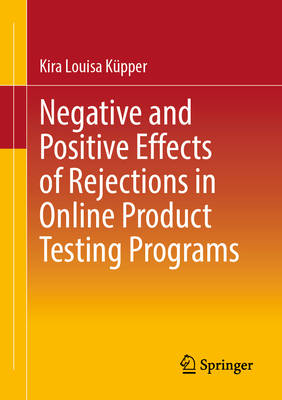
Negative and Positive Effects of Rejections in Online Product Testing Programs
Kira Louisa Küpper
Paperback | Engels
€ 108,45
+ 216 punten
Omschrijving
Online product testing programs have evolved into a significant marketing tool, allowing consumers to apply to test products for free or at a discounted rate in exchange for providing reviews or completing surveys. These programs aim to gather valuable feedback to enhance product and brand awareness and image. However, not every applicant can be selected as a tester. Companies often have to send out rejections to applicants. This study examines the effects of rejections in online product testing programs and provides valuable insights for marketing research and practice. Based on social psychological theories and both qualitative and quantitative studies, Kira Louisa Küpper investigates the divergent effects of rejections in these programs. The findings reveal that companies must anticipate both negative and positive consequences when rejecting applicants. A rejection can influence not only the purchase intention but also the intention to spread word of mouth of the rejected applicants. The results highlight the influencing factors and offer guidance for effective program design.
Specificaties
Betrokkenen
- Auteur(s):
- Uitgeverij:
Inhoud
- Aantal bladzijden:
- 130
- Taal:
- Engels
Eigenschappen
- Productcode (EAN):
- 9783658492762
- Verschijningsdatum:
- 27/09/2025
- Uitvoering:
- Paperback
- Formaat:
- Trade paperback (VS)
- Afmetingen:
- 150 mm x 212 mm
- Gewicht:
- 204 g


Alleen bij Standaard Boekhandel
+ 216 punten op je klantenkaart van Standaard Boekhandel
AANGERADEN


Beoordelingen
We publiceren alleen reviews die voldoen aan de voorwaarden voor reviews. Bekijk onze voorwaarden voor reviews.