


- Afhalen na 1 uur in een winkel met voorraad
- Gratis thuislevering in België vanaf € 30
- Ruim aanbod met 7 miljoen producten
- Afhalen na 1 uur in een winkel met voorraad
- Gratis thuislevering in België vanaf € 30
- Ruim aanbod met 7 miljoen producten





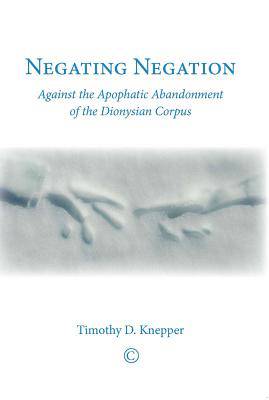
Negating Negation
Against the Apophatic Abandonment of the Dionysian Corpus
Timothy D Knepper
Paperback | Engels
€ 50,95
+ 101 punten
Uitvoering
Omschrijving
'Negating Negation' critically examines key concepts in the corpus of Pseudo-Dionysius the Areopagite: divine names and perceptible symbols; removal and negation; hierarchy and hierurgy; ineffability and incomprehensibility. In each case it argues that the Dionysian corpus does not negate all things of an absolutely ineffable God; rather, it negates few things of a God that is effable in important ways. Dionysian divine names are not inadequate metaphors or impotent attributes but transcendent divine causes. Divine names are not therefore flatly negated of God but removed as ordinary properties to be revealed as divine causes. It is concluded that since the Dionysian corpus does not abandon all things to apophasis, it cannot be called to testify on behalf of (post)modern projects in religious pluralism and anti-ontotheology. Quite the contrary, the Dionysian corpus gives reason for suspicion of such projects, especially when they relativize or metaphorize religious belief and practice in the name of absolute ineffability.
Specificaties
Betrokkenen
- Auteur(s):
- Uitgeverij:
Inhoud
- Aantal bladzijden:
- 168
- Taal:
- Engels
Eigenschappen
- Productcode (EAN):
- 9780227174555
- Verschijningsdatum:
- 25/09/2014
- Uitvoering:
- Paperback
- Formaat:
- Trade paperback (VS)
- Afmetingen:
- 152 mm x 229 mm
- Gewicht:
- 262 g


Alleen bij Standaard Boekhandel
+ 101 punten op je klantenkaart van Standaard Boekhandel
AANGERADEN


Beoordelingen
We publiceren alleen reviews die voldoen aan de voorwaarden voor reviews. Bekijk onze voorwaarden voor reviews.