


- Afhalen na 1 uur in een winkel met voorraad
- Gratis thuislevering in België vanaf € 30
- Ruim aanbod met 7 miljoen producten
- Afhalen na 1 uur in een winkel met voorraad
- Gratis thuislevering in België vanaf € 30
- Ruim aanbod met 7 miljoen producten





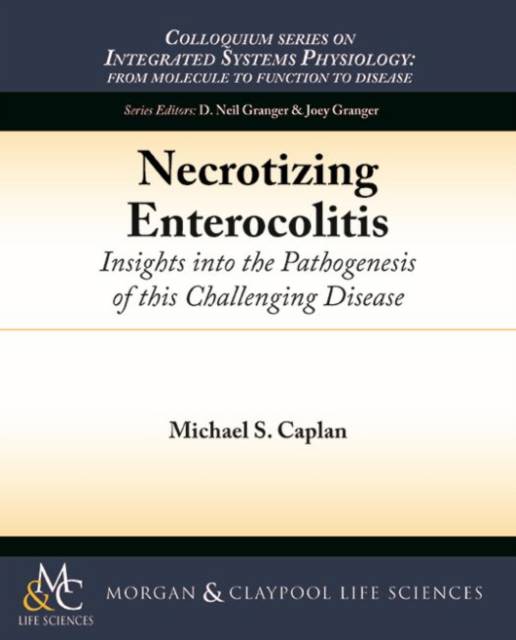
Necrotizing Enterocolitis
Insights Into the Pathogenesis of This Challenging Disease
Michael S Caplan
€ 91,95
+ 183 punten
Omschrijving
Necrotizing enterocolitis is an acute inflammatory necrosis of bowel that primarily afflicts premature infants in the neonatal intensive care unit setting. Although patients who develop this disease have high morbidity and mortality rates, the pathogenesis is poorly understood, and therefore there are no specific preventive or treatment strategies that have been clearly effective. Recent studies have suggested that the pathophysiology of necrotizing enterocolitis includes alterations in the inflammatory response leading to dysregulated pro-inflammatory signaling in premature infants, as well as abnormal intestinal bacterial colonization patterns that can activate these inflammatory pathways, and these factors are discussed in depth in the following chapters. While human milk feedings are currently the standard of care for the prevention of this challenging condition, new approaches will be described based on sound evidence that might have a significant impact for premature infants throughout the world.
Specificaties
Betrokkenen
- Auteur(s):
- Uitgeverij:
Inhoud
- Aantal bladzijden:
- 94
- Taal:
- Engels
- Reeks:
Eigenschappen
- Productcode (EAN):
- 9781615045907
- Verschijningsdatum:
- 1/12/2013
- Uitvoering:
- Paperback
- Formaat:
- Trade paperback (VS)
- Afmetingen:
- 190 mm x 235 mm
- Gewicht:
- 172 g


Alleen bij Standaard Boekhandel
+ 183 punten op je klantenkaart van Standaard Boekhandel
AANGERADEN


Beoordelingen
We publiceren alleen reviews die voldoen aan de voorwaarden voor reviews. Bekijk onze voorwaarden voor reviews.