


- Afhalen na 1 uur in een winkel met voorraad
- Gratis thuislevering in België vanaf € 30
- Ruim aanbod met 7 miljoen producten
- Afhalen na 1 uur in een winkel met voorraad
- Gratis thuislevering in België vanaf € 30
- Ruim aanbod met 7 miljoen producten





€ 62,95
+ 125 punten
Omschrijving
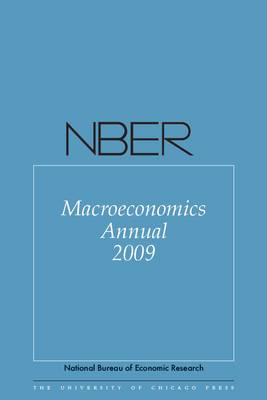
The NBER Macroeconomics Annual provides a forum for important debates in contemporary macroeconomics and major developments in the theory of macroeconomic analysis and policy that include leading economists from a variety of fields. The papers and accompanying discussions in NBER Macroeconomics Annual 2009 address how heterogeneous beliefs interact with equilibrium leverage and potentially lead to leverage cycles, the validity of alternative hypotheses about the reason for the recent increase in foreclosures on residential mortgages, the credit rating crisis, quantitative implications for the evolution of the U.S. wage distribution, and noisy business cycles.
Specificaties
Betrokkenen
- Auteur(s):
- Uitgeverij:
Inhoud
- Aantal bladzijden:
- 440
- Taal:
- Engels
- Reeks:
Eigenschappen
- Productcode (EAN):
- 9780226002101
- Verschijningsdatum:
- 1/08/2010
- Uitvoering:
- Paperback
- Formaat:
- Trade paperback (VS)
- Afmetingen:
- 155 mm x 229 mm
- Gewicht:
- 725 g


Alleen bij Standaard Boekhandel
+ 125 punten op je klantenkaart van Standaard Boekhandel
Cadeau

AANGERADEN


Beoordelingen
We publiceren alleen reviews die voldoen aan de voorwaarden voor reviews. Bekijk onze voorwaarden voor reviews.