


- Afhalen na 1 uur in een winkel met voorraad
- Gratis thuislevering in België vanaf € 30
- Ruim aanbod met 7 miljoen producten
- Afhalen na 1 uur in een winkel met voorraad
- Gratis thuislevering in België vanaf € 30
- Ruim aanbod met 7 miljoen producten





Omschrijving
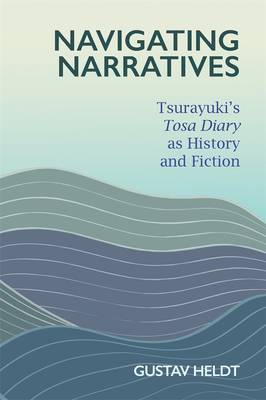
Drawing on both contemporaneous historical sources and modern literary criticism, Navigating Narratives offers unique insights into Heian Japan through a close reading of one of its most enigmatic and consequential texts. Named after the province once governed by its creator, Ki no Tsurayuki (d. 946), Tosa nikki (The Tosa Diary) purports to be the record of a voyage kept by an anonymous woman in the entourage of an ex-governor returning to the capital. This split between fictional narrator and historical author has usually led readers to place the diary in narratives privileging one of those two figures, with the result that Tosa nikki has been valued primarily as either the first Heian woman's memoir or the last aesthetic manifesto of a man whose writings shaped the Japanese poetic tradition for centuries afterward. Navigating Narratives attempts to steer away from the anachronistic assumptions and author-centric readings informing these accounts. By focusing instead on the diary's reception as a parody by its earliest readers, Heldt argues that it merits attention for the discursive practices, representational conventions, and non-elite social contexts it illuminates as the world's first short novelistic work of fiction.
Specificaties
Betrokkenen
- Auteur(s):
- Uitgeverij:
Inhoud
- Aantal bladzijden:
- 360
- Taal:
- Engels
- Reeks:
Eigenschappen
- Productcode (EAN):
- 9780674295827
- Verschijningsdatum:
- 5/03/2024
- Uitvoering:
- Hardcover
- Formaat:
- Genaaid
- Afmetingen:
- 152 mm x 229 mm
- Gewicht:
- 703 g


Alleen bij Standaard Boekhandel
Cadeau

AANGERADEN


Beoordelingen
We publiceren alleen reviews die voldoen aan de voorwaarden voor reviews. Bekijk onze voorwaarden voor reviews.