


- Afhalen na 1 uur in een winkel met voorraad
- Gratis thuislevering in België vanaf € 30
- Ruim aanbod met 7 miljoen producten
- Afhalen na 1 uur in een winkel met voorraad
- Gratis thuislevering in België vanaf € 30
- Ruim aanbod met 7 miljoen producten





€ 65,95
+ 131 punten
Omschrijving
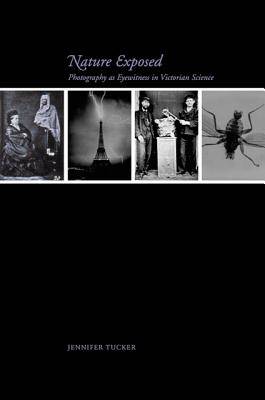
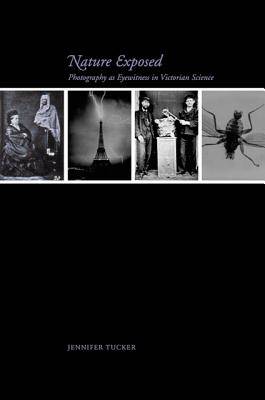
In Nature Exposed, Jennifer Tucker studies the intersecting trajectories of photography and modern science in late Victorian Britain. She examines the role of photograph as witness in scientific investigation and explores the interplay between photography and scientific authority. Almost immediately after the invention of photography in 1839, photographs were characterized as offering objective access to reality-unmediated by human agency, political ties, or philosophy. This mechanical objectivity supposedly eliminated judgment and interpretation in reporting and picturing scientific results. But photography is a labor-intensive process that allows for, and sometimes requires, manipulation. In the late nineteenth century, the nature of this new technology sparked a complex debate about scientific practices and the value of the photographic images in the production and dissemination of scientific knowledge. Recovering the controversies and commentary surrounding the early creation of scientific photography and drawing on a wide range of new sources and critical theories, Tucker establishes a greater understanding of the rich visual culture of Victorian science and alternative forms of knowledge, including psychical research.
Specificaties
Betrokkenen
- Auteur(s):
- Uitgeverij:
Inhoud
- Aantal bladzijden:
- 312
- Taal:
- Engels
Eigenschappen
- Productcode (EAN):
- 9781421410937
- Verschijningsdatum:
- 1/07/2013
- Uitvoering:
- Paperback
- Formaat:
- Trade paperback (VS)
- Afmetingen:
- 156 mm x 234 mm
- Gewicht:
- 476 g


Alleen bij Standaard Boekhandel
+ 131 punten op je klantenkaart van Standaard Boekhandel
Cadeau

AANGERADEN


Beoordelingen
We publiceren alleen reviews die voldoen aan de voorwaarden voor reviews. Bekijk onze voorwaarden voor reviews.