


- Afhalen na 1 uur in een winkel met voorraad
- Gratis thuislevering in België vanaf € 30
- Ruim aanbod met 7 miljoen producten
- Afhalen na 1 uur in een winkel met voorraad
- Gratis thuislevering in België vanaf € 30
- Ruim aanbod met 7 miljoen producten





€ 68,45
+ 136 punten
Omschrijving
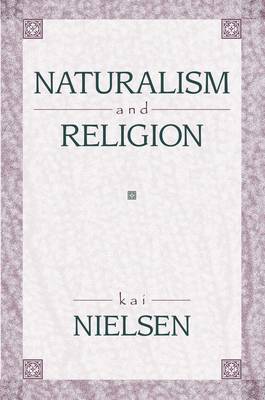
This elucidation and defense of naturalism argues that an uncompromising secular orientation is the best framework for the search for meaning and interprets religion in purely naturalistic terms. Part One seeks to demonstrate that religious symbols arise from facts about human beings and the societies in which they live, specifically our needs, fears, and aspirations. Part Two examines arguments for and against naturalism, including the defenses of naturalism by Sidney Hook, Ernest Nagel, Antony Flew, and critical reactions to their views. The forceful and rigorously analytical case made by Jean Hampton against naturalism is also examined, resulting in a clarification of the substantial and sound methodological grounds for naturalism and atheism. Part Three considers the strongest intellectual challenge to secularism and naturalism, namely that of Ludwig Wittgenstein and some of his followers - Norman Malcolm, D. Z. Phillips, Hilary Putnam, Rush Rhees, and Peter Winch.
Nielsen concludes that none of these critiques diminish the cogency and viability of naturalism as the most reasonable basis for viewing our world today.
Nielsen concludes that none of these critiques diminish the cogency and viability of naturalism as the most reasonable basis for viewing our world today.
Specificaties
Betrokkenen
- Auteur(s):
- Uitgeverij:
Inhoud
- Aantal bladzijden:
- 506
- Taal:
- Engels
Eigenschappen
- Productcode (EAN):
- 9781573928533
- Verschijningsdatum:
- 1/10/2001
- Uitvoering:
- Hardcover
- Formaat:
- Genaaid
- Afmetingen:
- 162 mm x 237 mm
- Gewicht:
- 884 g


Alleen bij Standaard Boekhandel
+ 136 punten op je klantenkaart van Standaard Boekhandel
Cadeau

AANGERADEN


Beoordelingen
We publiceren alleen reviews die voldoen aan de voorwaarden voor reviews. Bekijk onze voorwaarden voor reviews.