


- Afhalen na 1 uur in een winkel met voorraad
- Gratis thuislevering in België vanaf € 30
- Ruim aanbod met 7 miljoen producten
- Afhalen na 1 uur in een winkel met voorraad
- Gratis thuislevering in België vanaf € 30
- Ruim aanbod met 7 miljoen producten





€ 17,34
+ 17 punten
Uitvoering
Omschrijving
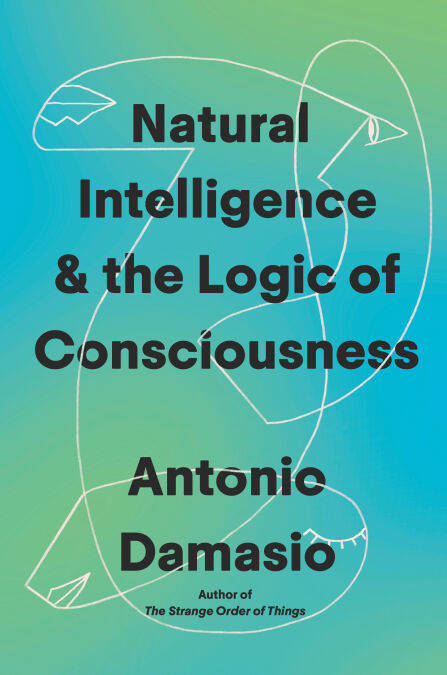
From one of the world’s foremost neuroscientists and acclaimed author of Descartes’ Error comes a bold new theory of the origins—and consequences—of human consciousness
“Damasio is the closest thing we have in the post-truth era to a great public intellectual.”—Mark Solms, Journal of the American Psychoanalytic Association
“This is not only a significant book. This book is a victory for our species.”—Yo-Yo Ma
Throughout his illustrious decades-long career, Antonio Damasio has been at the leading edge of science’s enduring quest to unravel the mysteries of the human mind. Now, drawing on a lifetime of groundbreaking research as well as the newest findings of neurobiology, Damasio seeks to move the debate about the origins of consciousness from the world of high-level cognition and abstract reasoning into the wondrous realm of interoception—the human body’s own internal monitoring system.
At the heart of his argument is the revolutionary idea that homeostatic feelings—those primal sensations intrinsically tied to our survival such as hunger, thirst, pain, and well-being—are the foundation of conscious experience, not only central to the body’s effort to maintain its physical health but carrying with them the initial glimmers of subjectivity, the very first sense of a “self.” Here Damasio redefines consciousness as a natural solution to the problem of life regulation in complex, vulnerable organisms and along the way wrestles with the notion of sentience in plants and bacteria; considers the social phenomena of politics, religion, and commerce through the perspective of homeostasis; and addresses the rise and risks of artificial intelligence and its mimicry of the conscious mind.
A probing synthesis of neurobiology, evolutionary science, and philosophy from one of the most notable leaders in his field, Natural Intelligence & the Logic of Consciousness offers readers a scientifically rigorous and profound re-examination of what it means to be alive and aware.
“Damasio is the closest thing we have in the post-truth era to a great public intellectual.”—Mark Solms, Journal of the American Psychoanalytic Association
“This is not only a significant book. This book is a victory for our species.”—Yo-Yo Ma
Throughout his illustrious decades-long career, Antonio Damasio has been at the leading edge of science’s enduring quest to unravel the mysteries of the human mind. Now, drawing on a lifetime of groundbreaking research as well as the newest findings of neurobiology, Damasio seeks to move the debate about the origins of consciousness from the world of high-level cognition and abstract reasoning into the wondrous realm of interoception—the human body’s own internal monitoring system.
At the heart of his argument is the revolutionary idea that homeostatic feelings—those primal sensations intrinsically tied to our survival such as hunger, thirst, pain, and well-being—are the foundation of conscious experience, not only central to the body’s effort to maintain its physical health but carrying with them the initial glimmers of subjectivity, the very first sense of a “self.” Here Damasio redefines consciousness as a natural solution to the problem of life regulation in complex, vulnerable organisms and along the way wrestles with the notion of sentience in plants and bacteria; considers the social phenomena of politics, religion, and commerce through the perspective of homeostasis; and addresses the rise and risks of artificial intelligence and its mimicry of the conscious mind.
A probing synthesis of neurobiology, evolutionary science, and philosophy from one of the most notable leaders in his field, Natural Intelligence & the Logic of Consciousness offers readers a scientifically rigorous and profound re-examination of what it means to be alive and aware.
Specificaties
Betrokkenen
- Auteur(s):
- Uitgeverij:
Inhoud
- Aantal bladzijden:
- 256
- Taal:
- Engels
Eigenschappen
- Productcode (EAN):
- 9798217207558
- Verschijningsdatum:
- 14/09/2026
- Uitvoering:
- E-book
- Beveiligd met:
- Adobe DRM
- Formaat:
- ePub


Alleen bij Standaard Boekhandel
+ 17 punten op je klantenkaart van Standaard Boekhandel
CADEAU

AANGERADEN


Beoordelingen
We publiceren alleen reviews die voldoen aan de voorwaarden voor reviews. Bekijk onze voorwaarden voor reviews.