


- Afhalen na 1 uur in een winkel met voorraad
- Gratis thuislevering in België vanaf € 30
- Ruim aanbod met 7 miljoen producten
- Afhalen na 1 uur in een winkel met voorraad
- Gratis thuislevering in België vanaf € 30
- Ruim aanbod met 7 miljoen producten





€ 140,95
+ 281 punten
Omschrijving
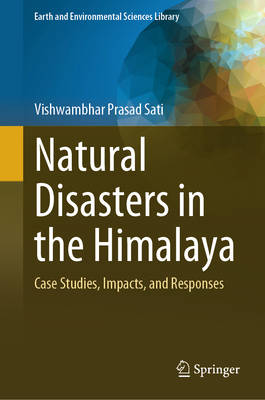
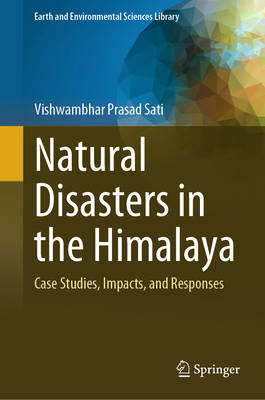
This book provides a comprehensive analysis of natural disasters both terrestrial and hydrological specifically within the Himalayan region. Spanning 13 chapters, it delves into key aspects of disaster management, from foundational concepts to rehabilitation policies. The book begins with an introduction to disaster classification, followed by an in-depth exploration of various terrestrial disasters, including earthquakes, and geohydrological disasters, illustrated through case studies of four significant events that occurred in different parts of the Central Himalaya. Further chapters focus on landslide disasters, the variability of rainfall patterns, and the increasing prevalence of forest fires. The book also examines the impact of cloudburst and glacial lake outburst flood (GLOF)-triggered disasters, which have become more frequent and severe due to climate change and anthropogenic global warming. Through a scientific approach, the text highlights the interplay between environmental changes and disaster occurrences, presenting data, case studies, and analytical insights. This book is an essential resource for students, researchers, academicians, policymakers, and disaster management professionals. It offers critical perspectives on disaster preparedness, response strategies, and long-term resilience planning for one of the most fragile and ecologically significant mountain systems in the world the Himalaya.
Specificaties
Betrokkenen
- Auteur(s):
- Uitgeverij:
Inhoud
- Aantal bladzijden:
- 189
- Taal:
- Engels
- Reeks:
Eigenschappen
- Productcode (EAN):
- 9783032173744
- Verschijningsdatum:
- 15/02/2026
- Uitvoering:
- Hardcover
- Formaat:
- Genaaid
- Afmetingen:
- 156 mm x 234 mm
- Gewicht:
- 489 g


Alleen bij Standaard Boekhandel
+ 281 punten op je klantenkaart van Standaard Boekhandel
Cadeau

AANGERADEN


Beoordelingen
We publiceren alleen reviews die voldoen aan de voorwaarden voor reviews. Bekijk onze voorwaarden voor reviews.