



- Afhalen na 1 uur in een winkel met voorraad
- In januari gratis thuislevering in België
- Ruim aanbod met 7 miljoen producten
- Afhalen na 1 uur in een winkel met voorraad
- In januari gratis thuislevering in België
- Ruim aanbod met 7 miljoen producten





€ 42,45
+ 84 punten
Omschrijving
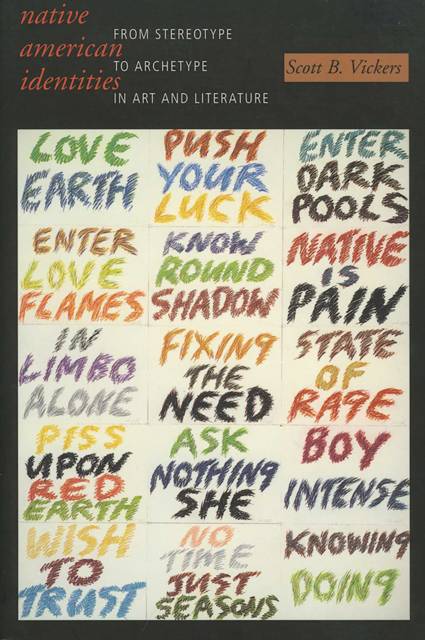
Issues of identity and authenticity present perennial challenges to both Native Americans and critics of their art. Vickers examines the long history of dehumanizing depictions of Native Americans while discussing such purveyors of stereotypes as the Puritans, the Bureau of Indian Affairs, and Hollywood. These stereotypes abetted a national policy robbing Indians of their cultural identity. As a contrast to these, he examines the work of white authors and artists such as Helen Hunt Jackson, Oliver La Farge, the Taos Society of Artists, and Frank Waters, who created more archetypal fictional Indian characters. In the second half of the book, Vickers explores the work of Indian artists and writers, such as Edgar Heap of Birds, Jaune Quick-to-See Smith, Linda Hogan, and Sherman Alexie who craft humanizing new images of authenticity and legitimacy, bridging the gap between stereotype and archetype. This is an essential book for all readers with an interest in the tragic history of Indian-white conflict. "Vickers is one of the few to consider artists and writers in relation to each other. He offers a refreshingly commonsensical approach."-Herta Wong, University of California, Berkley
Specificaties
Betrokkenen
- Auteur(s):
- Uitgeverij:
Inhoud
- Aantal bladzijden:
- 210
- Taal:
- Engels
- Reeks:
Eigenschappen
- Productcode (EAN):
- 9780826318862
- Verschijningsdatum:
- 1/05/1998
- Uitvoering:
- Paperback
- Formaat:
- Trade paperback (VS)
- Afmetingen:
- 155 mm x 229 mm
- Gewicht:
- 349 g


Alleen bij Standaard Boekhandel
+ 84 punten op je klantenkaart van Standaard Boekhandel
Cadeau

AANGERADEN


Beoordelingen
We publiceren alleen reviews die voldoen aan de voorwaarden voor reviews. Bekijk onze voorwaarden voor reviews.