


- Afhalen na 1 uur in een winkel met voorraad
- Gratis thuislevering in België vanaf € 30
- Ruim aanbod met 7 miljoen producten
- Afhalen na 1 uur in een winkel met voorraad
- Gratis thuislevering in België vanaf € 30
- Ruim aanbod met 7 miljoen producten





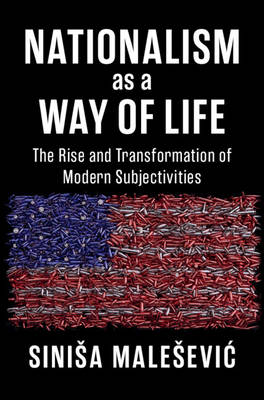
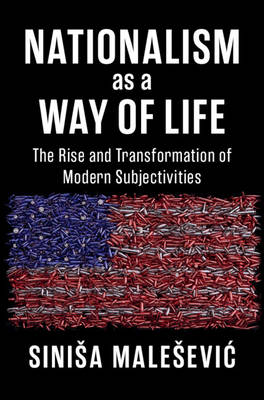
Nationalism as a Way of Life
The Rise and Transformation of Modern Subjectivities
Sinisa Malesevic
Hardcover | Engels
€ 64,95
+ 129 punten
Omschrijving
While nationalism is a term that is often associated with instability, violence, extremism, terrorism, wars and even genocide, in fact most forms of nationalism are nonviolent. Beyond politics, it is a set of discourses and practices that shape economic, social, legal, and cultural life all over the globe. This book explores the global rise and transformation of nationalism and analyses the organisational, ideological, and micro-interactional mechanisms that have made it the dominant way of life in the twenty-first century. In a series of case studies across time and space, the book zooms in on three key forms of lived experience: how nationalism operates as a multi-faceted meta-ideology, how national categories have become organisationally embedded in everyday practices and why nationalism has become the dominant form of modern subjectivity. The book is aimed at readers interested in understanding how nation-states and nationalisms have attained such influence in contemporary world.
Specificaties
Betrokkenen
- Auteur(s):
- Uitgeverij:
Inhoud
- Aantal bladzijden:
- 376
- Taal:
- Engels
Eigenschappen
- Productcode (EAN):
- 9781009570206
- Verschijningsdatum:
- 11/12/2025
- Uitvoering:
- Hardcover
- Formaat:
- Genaaid
- Afmetingen:
- 163 mm x 233 mm
- Gewicht:
- 657 g


Alleen bij Standaard Boekhandel
+ 129 punten op je klantenkaart van Standaard Boekhandel
CADEAU

AANGERADEN


Beoordelingen
We publiceren alleen reviews die voldoen aan de voorwaarden voor reviews. Bekijk onze voorwaarden voor reviews.