


- Afhalen na 1 uur in een winkel met voorraad
- Gratis thuislevering in België vanaf € 30
- Ruim aanbod met 7 miljoen producten
- Afhalen na 1 uur in een winkel met voorraad
- Gratis thuislevering in België vanaf € 30
- Ruim aanbod met 7 miljoen producten





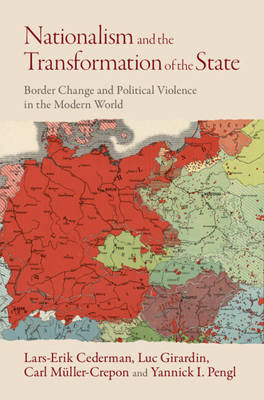
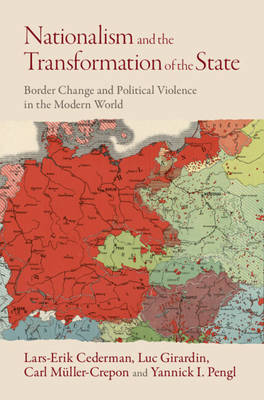
Nationalism and the Transformation of the State
Border Change and Political Violence in the Modern World
Lars-Erik Cederman, Luc Girardin, Carl Müller-Crepon, Yannick I Pengl
Hardcover | Engels
€ 165,95
+ 331 punten
Uitvoering
Omschrijving
Following Russia's annexation of Crimea in 2014, the recent conflicts in Ukraine and the Middle East signals the return of geopolitics. This book challenges conventional approaches that ignore border change, arguing that geopolitics is driven by nationalism and focusing on how nationalism transforms the state. Using geocoded historical maps covering state borders and ethnic groups in Europe, the authors' spatial approach shows how, since the French Revolution, nationalism has caused increasing congruence between state and national borders and how a lack of congruence increased the risk of armed conflict. This macroprocess is traced from early modern Europe and widens the geographic scope to the entire world in the mid-twentieth century. The analysis shows that the risk of conflict may be increased by how nationalists seeking to revive past golden ages and restore their nations' prestige respond to incongruent borders. This title is also available as Open Access on Cambridge Core.
Specificaties
Betrokkenen
- Auteur(s):
- Uitgeverij:
Inhoud
- Aantal bladzijden:
- 394
- Taal:
- Engels
Eigenschappen
- Productcode (EAN):
- 9781009527798
- Verschijningsdatum:
- 23/10/2025
- Uitvoering:
- Hardcover
- Formaat:
- Genaaid
- Afmetingen:
- 152 mm x 229 mm
- Gewicht:
- 693 g


Alleen bij Standaard Boekhandel
+ 331 punten op je klantenkaart van Standaard Boekhandel
Cadeau

AANGERADEN


Beoordelingen
We publiceren alleen reviews die voldoen aan de voorwaarden voor reviews. Bekijk onze voorwaarden voor reviews.