


- Afhalen na 1 uur in een winkel met voorraad
- Gratis thuislevering in België vanaf € 30
- Ruim aanbod met 7 miljoen producten
- Afhalen na 1 uur in een winkel met voorraad
- Gratis thuislevering in België vanaf € 30
- Ruim aanbod met 7 miljoen producten





€ 101,00
+ 202 punten
Eenvoudig bestellen
Veilig betalen


Gratis thuislevering vanaf € 30 (via bpost)
Gratis levering in je Standaard Boekhandel
Omschrijving
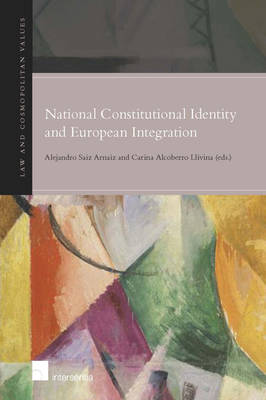
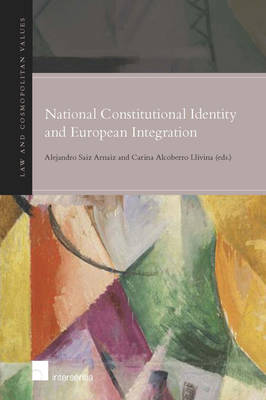
Over the past few years, 'national constitutional identity' has become the new buzzword in European constitutionalism. Much has been written about the concept involving the Member States' national constitutional identities: it has been welcomed for (finally) accommodating constitutional particularities in EU law, demonized for potentially disintegrating the EU, and wielded as a 'sword' by certain constitutional courts. Scholars, judges, and advocates in general have rendered the concept currently so fashionable and, yet, so ambivalent, that an in-depth analysis is warranted to put some order into the intense debate over constitutional identity. This collection brings together a series of contributions in order to shed some light into the dark corners of constitutional identity. To this end, a threefold approach has been followed: a conceptual or philosophical approach, an approach based on EU law, and an analysis of the case-law of several European courts. First, the book explores what constitutional identity means and who decides on it. Further, the contributions analyze (and at times unveil) the areas that might collide or at least interact with constitutional identity. Among other issues, the book touches upon EU law primacy, Article 53 of the Charter of Fundamental Rights, EU criminal law and the essential functions of the State, and the existence of an EU 'constitutional core' enjoyable and enforceable through EU citizenship. Finally, the book deals with the case-law of European courts on national constitutional identity, including the perspective of various national constitutional courts, such as those of Eastern and Central European Member States, the Court of Justice of the European Union, and the much-less analyzed European Court of Human Rights. (Series: Law and Cosmopolitan Values - Vol. 4)
Specificaties
Betrokkenen
- Auteur(s):
- Uitgeverij:
Inhoud
- Aantal bladzijden:
- 326
- Taal:
- Engels
- Reeks:
Eigenschappen
- Productcode (EAN):
- 9781780681603
- Verschijningsdatum:
- 28/06/2013
- Uitvoering:
- Hardcover
- Formaat:
- Genaaid
- Afmetingen:
- 165 mm x 246 mm
- Gewicht:
- 721 g


Alleen bij Standaard Boekhandel
+ 202 punten op je klantenkaart van Standaard Boekhandel
CADEAU

AANGERADEN


Beoordelingen
We publiceren alleen reviews die voldoen aan de voorwaarden voor reviews. Bekijk onze voorwaarden voor reviews.