


- Afhalen na 1 uur in een winkel met voorraad
- Gratis thuislevering in België vanaf € 30
- Ruim aanbod met 7 miljoen producten
- Afhalen na 1 uur in een winkel met voorraad
- Gratis thuislevering in België vanaf € 30
- Ruim aanbod met 7 miljoen producten





€ 116,60
+ 233 punten
Omschrijving
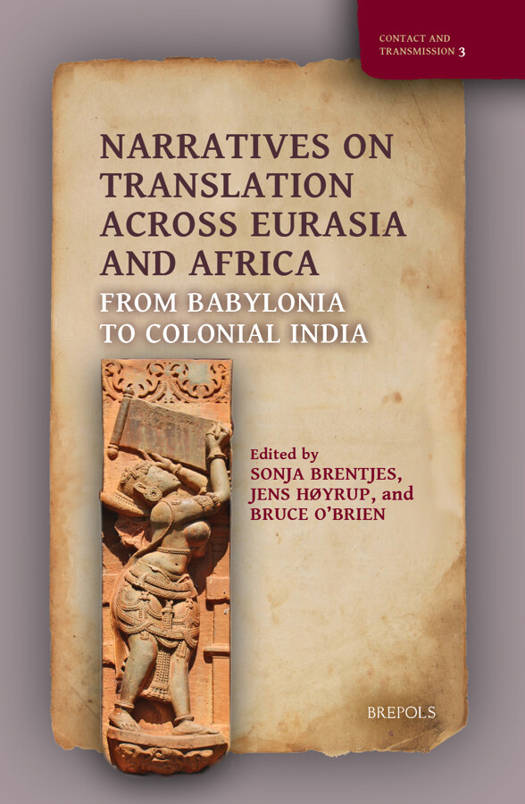
What has driven acts of translation in the past, and what were the conditions that shaped the results? In this volume, scholars from across the humanities interrogate narratives on the process of translation: by historical translators ranging from ancient Babylonia to early modern Japan and the British Empire, and by academics from the nineteenth to the twentieth centuries who interpreted these translators' practices. In Part 1 the volume authors reflect on the history of the approaches to the phenomenon of translation in their specific fields of competence in order to learn what shaped the academic questions asked, what theoretical and practical tools were deployed, which arguments were privileged, and why certain kinds of evidence (but not others) were thought to be the basis for understanding the function and purpose of all translation performed in a given culture. Part II explores how translators and authors from antiquity to modern times described their own motivations and the circumstances in which they chose to translate. In both parts, the contributors disentangle histories of translation from the specialized intellectual fields (such as science, religion, law, or literature) with which they have been bound in order to make the case that we understand translation best when we take into account all cultural practices and translation activities cutting synchronically and diachronically through the entire societal fabric.
Specificaties
Betrokkenen
- Auteur(s):
- Uitgeverij:
Inhoud
- Aantal bladzijden:
- 406
- Taal:
- Engels
- Reeks:
- Reeksnummer:
- nr. 3
Eigenschappen
- Productcode (EAN):
- 9782503594897
- Verschijningsdatum:
- 11/08/2022
- Uitvoering:
- Hardcover
- Formaat:
- Genaaid
- Gewicht:
- 811 g


Alleen bij Standaard Boekhandel
+ 233 punten op je klantenkaart van Standaard Boekhandel
Cadeau

AANGERADEN


Beoordelingen
We publiceren alleen reviews die voldoen aan de voorwaarden voor reviews. Bekijk onze voorwaarden voor reviews.