


- Afhalen na 1 uur in een winkel met voorraad
- Gratis thuislevering in België vanaf € 30
- Ruim aanbod met 7 miljoen producten
- Afhalen na 1 uur in een winkel met voorraad
- Gratis thuislevering in België vanaf € 30
- Ruim aanbod met 7 miljoen producten





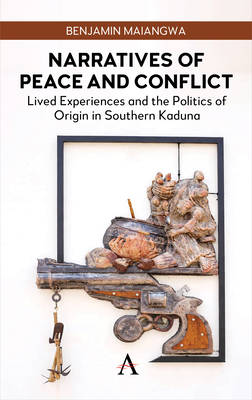
Narratives of Peace and Conflict
Lived Experiences and the Politics of Origin in Southern Kaduna
Benjamin Maiangwa
€ 177,45
+ 354 punten
Eenvoudig bestellen
Veilig betalen


Gratis thuislevering vanaf € 30 (via bpost)
Gratis levering in je Standaard Boekhandel
Omschrijving
This book explores the complex and contested terrain of conflict and peace in Southern Kaduna, Nigeria, through the voices of community members and the author's own lived experience. Building on The Crisis of Belonging and Ethnographies of Peacebuilding in Kaduna State, Nigeria (2021), it deliberately centers people's narratives to illuminate the historical and contemporary dynamics of land, identity, and power among ethnic minority communities and the dominant Fulani and Hausa groups. Through these stories, the book demonstrates how colonial legacies, state policies, and enduring sociopolitical structures have shaped intercommunal relations and intensified struggles over belonging and territorial entitlement. At its core, the book responds to the voices of those most directly affected by conflict, individuals who courageously shared their experiences and called for their stories to be documented and heard beyond their communities. By foregrounding these lived narratives, the work challenges homogenizing and essentialist accounts of violence and victimhood, amplifies marginalized perspectives, and opens space for more grounded conversations about reconciliation, coexistence, and healing in contested spaces. In doing so, it offers an alternative way of understanding peacebuilding rooted not in abstract frameworks but in everyday practices of survival, negotiation, and placemaking. The primary audience for this book includes scholars and specialists of Northern and Middle Belt Nigerian politics, as well as researchers working on farmer and herder relations, intercommunal conflict, and peacebuilding in Nigeria. It offers a rich empirical and ethnographic resource for scholars seeking grounded insights into conflict, belonging, and peace in contemporary Nigeria and postcolonial societies.
Specificaties
Betrokkenen
- Auteur(s):
- Uitgeverij:
Inhoud
- Aantal bladzijden:
- 200
- Taal:
- Engels
- Reeks:
- Reeksnummer:
- nr. 1
Eigenschappen
- Productcode (EAN):
- 9781801361101
- Verschijningsdatum:
- 15/09/2026
- Uitvoering:
- Hardcover
- Formaat:
- Genaaid
- Afmetingen:
- 152 mm x 229 mm
- Gewicht:
- 453 g


Alleen bij Standaard Boekhandel
+ 354 punten op je klantenkaart van Standaard Boekhandel
CADEAU

AANGERADEN


Beoordelingen
We publiceren alleen reviews die voldoen aan de voorwaarden voor reviews. Bekijk onze voorwaarden voor reviews.