



Je cadeautjes zeker op tijd in huis hebben voor de feestdagen? Kom langs in onze winkels en vind het perfecte geschenk!
- Afhalen na 1 uur in een winkel met voorraad
- Gratis thuislevering in België vanaf € 30
- Ruim aanbod met 7 miljoen producten
Je cadeautjes zeker op tijd in huis hebben voor de feestdagen? Kom langs in onze winkels en vind het perfecte geschenk!
- Afhalen na 1 uur in een winkel met voorraad
- Gratis thuislevering in België vanaf € 30
- Ruim aanbod met 7 miljoen producten





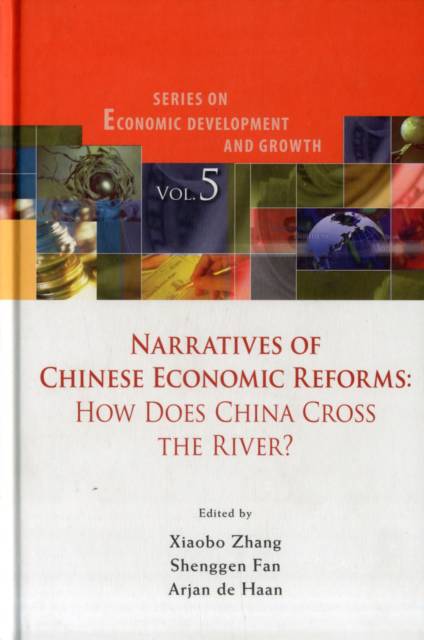
Narratives of Chinese Economic Reforms: How Does China Cross the River?
€ 149,95
+ 299 punten
Omschrijving
Rapid growth in the Chinese economy over the past three decades poses puzzles and challenges to neo-classical economic theory, as policies implemented during the reform process were often unorthodox. Although the Chinese experience has been widely studied, myths and questions about these reforms remain. To fill in the knowledge gap, and to inform a process of learning from China's development successes, this book features a series of case studies on the policy process of different initiatives, including rural industrialization, dual-track price reform, migration policy, village elections and fiscal reform. Uniquely, many of the authors of the case studies were deeply involved in these reforms, either through direct policymaking or through providing analytical and technical support that led to these policy changes. They provide a first-hand account of how the political processes occurred, how social and political entrepreneurs shaped the choices and sequences of various reforms, and how the rigidities and sometimes erroneous beliefs were overcome.
Specificaties
Betrokkenen
- Uitgeverij:
Inhoud
- Aantal bladzijden:
- 200
- Taal:
- Engels
- Reeks:
- Reeksnummer:
- nr. 5
Eigenschappen
- Productcode (EAN):
- 9789814293303
- Verschijningsdatum:
- 30/07/2010
- Uitvoering:
- Hardcover
- Formaat:
- Genaaid
- Afmetingen:
- 155 mm x 229 mm
- Gewicht:
- 498 g


Alleen bij Standaard Boekhandel
+ 299 punten op je klantenkaart van Standaard Boekhandel
CADEAU


Beoordelingen
We publiceren alleen reviews die voldoen aan de voorwaarden voor reviews. Bekijk onze voorwaarden voor reviews.