


- Afhalen na 1 uur in een winkel met voorraad
- Gratis thuislevering in België vanaf € 30
- Ruim aanbod met 7 miljoen producten
- Afhalen na 1 uur in een winkel met voorraad
- Gratis thuislevering in België vanaf € 30
- Ruim aanbod met 7 miljoen producten





€ 42,40
+ 84 punten
Omschrijving
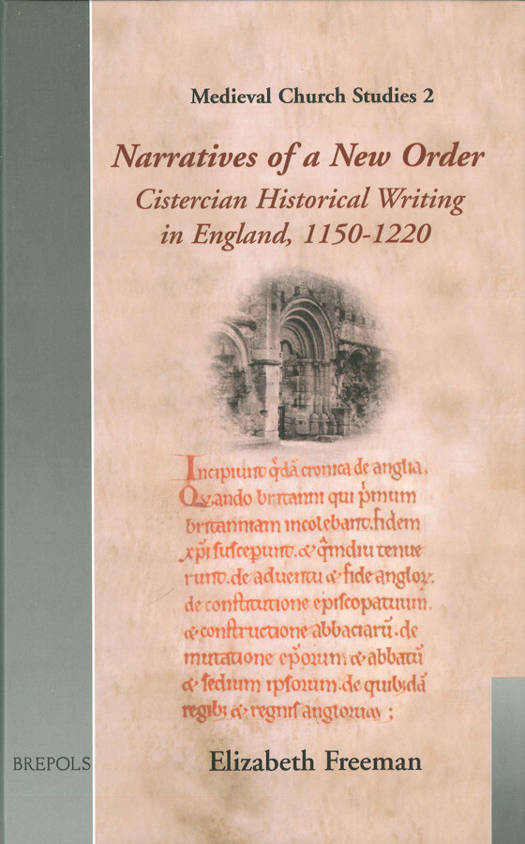
The origins of the Cistercian monastic order are currently under intense scrutiny and revision, as scholars identify how the written word was used to 'invent' a unified corporate identity. Here Elizabeth Freeman examines the classic genre for inventing a past - the history, chronicle, and annal - and argues that historical narratives of the English Cistercians helped define the characteristics of both the new Cistercian monastic order and also the new orders of twelfth- and thirteenth-century England. She shows how Aelred of Rievaulx's Relatio de standardo and Genealogia regum Anglorum articulated new senses of Englishness, and demonstrates through attention to library holdings that this focus on national self-definition continued throughout the twelfth century. The Fundacio abbathie de Kyrkestall shifts focus to local history and exploits Cistercian tropes of land-use in order to resolve the communal insecurity that characterised the Cistercians in around 1200. The Narratione de fundatione Fontanis monasterii features another method of reconciling the nostalgic quest for continuity with the intellectual recognition of change - it separates historical 'fact' from 'meaning' and imbues events with rich allegorical significance. Finally, Ralph of Coggeshall's Chronicon Anglicanum indicates the multiple strategies Cistercian historians employed in order to turn the disparate and contradictory events of the past into a comprehensible and meaningful narrative.
Specificaties
Betrokkenen
- Auteur(s):
- Uitgeverij:
Inhoud
- Aantal bladzijden:
- 255
- Taal:
- Engels
- Reeks:
- Reeksnummer:
- nr. 2
Eigenschappen
- Productcode (EAN):
- 9782503510903
- Verschijningsdatum:
- 21/06/2002
- Uitvoering:
- Hardcover
- Formaat:
- Genaaid
- Afmetingen:
- 164 mm x 252 mm
- Gewicht:
- 580 g


Alleen bij Standaard Boekhandel
+ 84 punten op je klantenkaart van Standaard Boekhandel
Cadeau

AANGERADEN


Beoordelingen
We publiceren alleen reviews die voldoen aan de voorwaarden voor reviews. Bekijk onze voorwaarden voor reviews.