


- Afhalen na 1 uur in een winkel met voorraad
- Gratis thuislevering in België vanaf € 30
- Ruim aanbod met 7 miljoen producten
- Afhalen na 1 uur in een winkel met voorraad
- Gratis thuislevering in België vanaf € 30
- Ruim aanbod met 7 miljoen producten





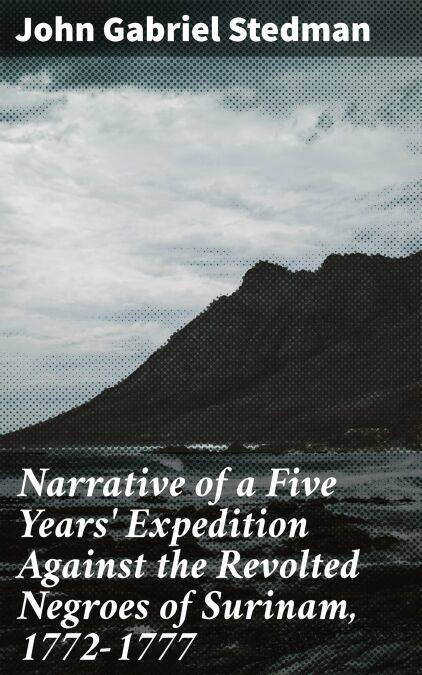
Narrative of a Five Years' Expedition Against the Revolted Negroes of Surinam, 1772-1777 E-BOOK
Journey into Rebellion: A Firsthand Account of Slavery, Revolt, and Colonialism in Surinam
John Gabriel Stedman
E-book | Engels
€ 0,99
€ 1,99
Omschrijving
In his seminal work, "Narrative of a Five Years' Expedition Against the Revolted Negroes of Surinam, 1772-1777," John Gabriel Stedman offers a first-hand account of his experiences as a soldier in Surinam, providing a vivid and intricate portrayal of the conflicts between British colonial forces and escaped African slaves. Utilizing an evocative narrative style interspersed with personal reflections, Stedman's writing is notable for its detailed descriptions of the flora and fauna of Surinam, as well as its insights into the cultural practices of the enslaved people. This text not only serves as a historical document but also engages with the Enlightenment ideals of liberty and human rights, challenging contemporary attitudes toward race and colonialism. Stedman, a soldier of Dutch descent, was deeply influenced by the moral debates surrounding slavery, particularly after witnessing the harsh realities of plantation life and the valor of the runaway slaves. His experiences and evolving perspectives during the expedition reflect a transformative journey, illustrating the conflict between his duties as a soldier and his growing sympathy for the enslaved population. These elements of his life compelled him to provide an unvarnished depiction of the brutalities of colonial rule. This work is essential for scholars of colonial history, literature, and African diaspora studies. Its rich detail not only contributes to the understanding of 18th-century colonialism but also encourages contemporary discussions on race, freedom, and resistance. Stedman's thoughtful narrative will resonate with readers who seek to comprehend the complexities of human rights struggles within historical contexts.
Specificaties
Betrokkenen
- Auteur(s):
- Uitgeverij:
Inhoud
- Aantal bladzijden:
- 295
- Taal:
- Engels
Eigenschappen
- Productcode (EAN):
- 4064066439224
- Verschijningsdatum:
- 9/07/2023
- Uitvoering:
- E-book
- Beveiligd met:
- Digital watermarking
- Formaat:
- ePub



Alleen bij Standaard Boekhandel
Cadeau

AANGERADEN


Beoordelingen
We publiceren alleen reviews die voldoen aan de voorwaarden voor reviews. Bekijk onze voorwaarden voor reviews.