


- Afhalen na 1 uur in een winkel met voorraad
- Gratis thuislevering in België vanaf € 30
- Ruim aanbod met 7 miljoen producten
- Afhalen na 1 uur in een winkel met voorraad
- Gratis thuislevering in België vanaf € 30
- Ruim aanbod met 7 miljoen producten




€ 15,45
+ 30 punten
Omschrijving
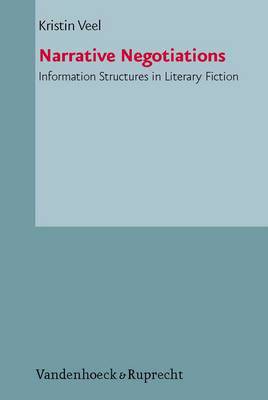
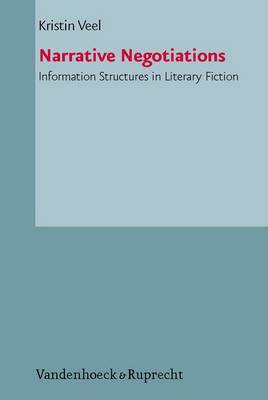
This book explores the impact of information and communication technology on the cultural imagination of our time by probing the conditions of literary fiction in an age characterised by information overload. What types of narrative do we find in a world in which vast amounts of information fills our inboxes and our lifeworlds on a daily basis? And how can these narratives be understood in a larger historical framework? The central argument of the book is that contemporary fiction continues an established pattern in the culture of modernity by simultaneously addressing, resisting and revitalising narrative structures through the incorporation of other modes of organising information. Focussing on the novel genre allows for a rigorous, in-depth study of this issue, enabling the narrative implications of structures such as the database, the hyperlink and the computer game to be placed in a wider historical context. The book thus deals with Goethe's Wilhelm Meisters Wanderjahre (1829), Robert Musil's Der Mann ohne Eigenschaften (1930-42), and Arno Schmidt's Zettels Traum (1970) as well as a number of texts from the last two decades in English, German, Scandinavian, and French by Jan KjAerstad, Thomas Hettche, Botho Straua, Reinhard Jirgl, Svend Age Madsen, Gunter Grass, David Mitchell, and Guy Tournaye. One of the book's achievements is, moreover, to bring out the senses in which the influence of information technology on the formation of narrative negotiations can be extended to the analysis of other forms of cultural production, thereby pointing towards a more general concern with the present cultural condition of narrative and the influence of information and communication technology.
Specificaties
Betrokkenen
- Auteur(s):
- Uitgeverij:
Inhoud
- Aantal bladzijden:
- 206
- Taal:
- Engels
Eigenschappen
- Productcode (EAN):
- 9783525206041
- Verschijningsdatum:
- 26/08/2009
- Uitvoering:
- Hardcover
- Formaat:
- Genaaid
- Afmetingen:
- 160 mm x 236 mm
- Gewicht:
- 453 g


Alleen bij Standaard Boekhandel
+ 30 punten op je klantenkaart van Standaard Boekhandel
AANGERADEN


Beoordelingen
We publiceren alleen reviews die voldoen aan de voorwaarden voor reviews. Bekijk onze voorwaarden voor reviews.