


- Afhalen na 1 uur in een winkel met voorraad
- Gratis thuislevering in België vanaf € 30
- Ruim aanbod met 7 miljoen producten
- Afhalen na 1 uur in een winkel met voorraad
- Gratis thuislevering in België vanaf € 30
- Ruim aanbod met 7 miljoen producten





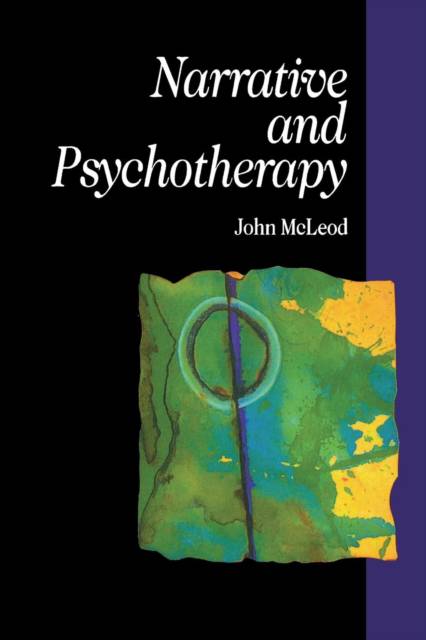
Omschrijving
The core of psychotherapy can be seen as a process in which the client comes to tell and then re-author an individual life story or personal narrative. This book argues that all therapies are, therefore, narrative therapies, and that the counseling experience can be understood in terms of telling and retelling stories. If the story is not heard then the therapist and client are deprived of the most effective and mutually involving mode of discourse open to them. Taking a narrative approach also requires thinking about the nature of truth, the concept of the person, the relationship between the therapist and the client, and the knowledge base of psychotherapy. Author John McLeod examines the role and significance of stories in psychotherapy from within a broad-based cultural and theoretical framework, drawing on research from psychology, anthropology, and sociolinguistics, while fully integrating previous theory and research. The text is illustrated throughout with case vignettes and excepts from therapy transcripts. At the cutting edge of developments in counseling and psychotherapy theory, research, and practice, this book is relevant to a therapy that encompasses not only counseling and psychotherapy but also important aspects of social and community work, self-help, and psychiatry. Narrative and Psychotherapy will be of particular value to students and practitioners in psychotherapy, clinical psychology, and family therapy, as well as social scientists interested in narrative.
Specificaties
Betrokkenen
- Auteur(s):
- Uitgeverij:
Inhoud
- Aantal bladzijden:
- 192
- Taal:
- Engels
Eigenschappen
- Productcode (EAN):
- 9780803976863
- Verschijningsdatum:
- 12/01/1998
- Uitvoering:
- Paperback
- Formaat:
- Trade paperback (VS)
- Afmetingen:
- 156 mm x 233 mm
- Gewicht:
- 308 g


Alleen bij Standaard Boekhandel
+ 145 punten op je klantenkaart van Standaard Boekhandel
Cadeau

AANGERADEN


Beoordelingen
We publiceren alleen reviews die voldoen aan de voorwaarden voor reviews. Bekijk onze voorwaarden voor reviews.