


- Afhalen na 1 uur in een winkel met voorraad
- Gratis thuislevering in België vanaf € 30
- Ruim aanbod met 7 miljoen producten
- Afhalen na 1 uur in een winkel met voorraad
- Gratis thuislevering in België vanaf € 30
- Ruim aanbod met 7 miljoen producten





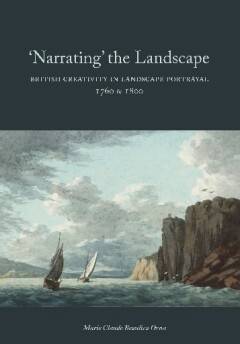
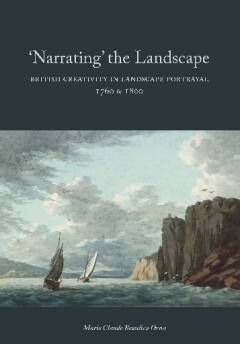
'Narrating' the Landscape
British Creativity in Landscape Portrayal 1760-1800
Marie Claude Beaulieu Orna
€ 132,50
+ 265 punten
Omschrijving
As chosen by British landscapists traveling on the Grand Tour in the last third of the eighteenth century, our study explores the path to remedy the ambiguity of their pictorial genre. Indeed, being attached to certain continental artistic references while simultaneously willing to affirm a British character, those artists find their way experimenting processes and dealing with materiality issues in a particularly innovative manner. Their approach is to be closely related to the peculiarities of landscape art in Great Britain at that period, including its theoretical interpretation, teaching, and cultural perception. Through various examples, our research sheds light on this training and analyses painters' traveling practice, largely devoted to the exercise of plein air sketching and employed to satisfy aesthetic goals. The book also investigates the diffusion of this know-how through engraving and publishing. It raises the parallel issue of artistic interaction in the cosmopolitan environment of the Grand Tour, suggesting a certain transfer of skills from the British to the continental artistic communities. The inventiveness among British landscapists on the Grand Tour during its heyday is thus brought to light following its logical and sequential implementation, from training to sharing of travel art works.
Specificaties
Betrokkenen
- Auteur(s):
- Uitgeverij:
Inhoud
- Aantal bladzijden:
- 2025
- Taal:
- Engels
- Reeks:
- Reeksnummer:
- nr. 10
Eigenschappen
- Productcode (EAN):
- 9782503602516
- Verschijningsdatum:
- 28/12/2025
- Uitvoering:
- Paperback
- Formaat:
- Trade paperback (VS)
- Afmetingen:
- 210 mm x 297 mm
- Gewicht:
- 725 g


Alleen bij Standaard Boekhandel
+ 265 punten op je klantenkaart van Standaard Boekhandel
CADEAU

AANGERADEN


Beoordelingen
We publiceren alleen reviews die voldoen aan de voorwaarden voor reviews. Bekijk onze voorwaarden voor reviews.