


- Afhalen na 1 uur in een winkel met voorraad
- Gratis thuislevering in België vanaf € 30
- Ruim aanbod met 7 miljoen producten
- Afhalen na 1 uur in een winkel met voorraad
- Gratis thuislevering in België vanaf € 30
- Ruim aanbod met 7 miljoen producten





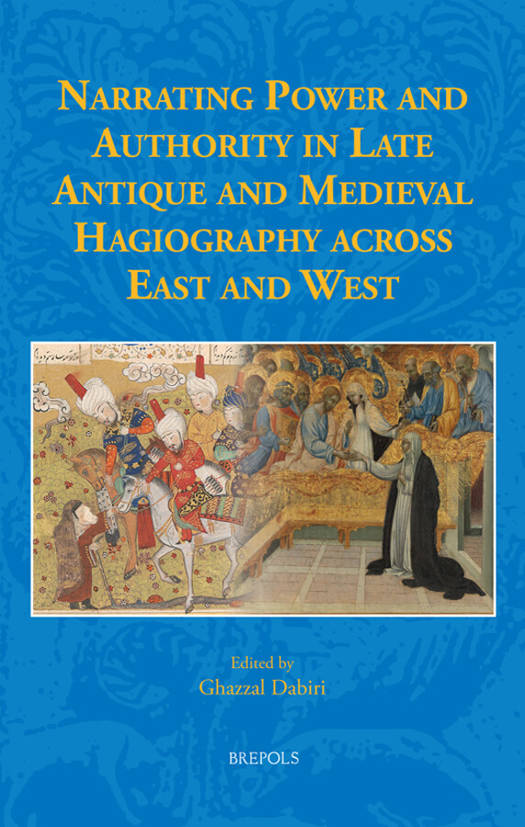
Narrating Power and Authority in Late Antique and Medieval Hagiography Across East and West
Ghazzal Dabiri
€ 79,50
+ 159 punten
Omschrijving
This collection of essays explores the multifaceted representation of power and authority in a variety of late antique and medieval hagiographical narratives (Lives, Martyr Acts, oneiric and miraculous accounts). The narratives under analysis, written in some of the major languages of the Islamicate world and the Christian East and Christian West - Arabic, Armenian, Georgian, Greek, Latin, Middle Persian, Ottoman Turkish, and Persian - prominently feature a diverse range of historical and fictional figures from a wide cross-section of society - from female lay saints in Italy and Zoroastrians in Sasanian and Islamic Iran to apostles and bishops and emperors and caliphs. Each chapter investigates how power and authority were narrated from above (courts/saints) and below (saints/laity) and, by extension, navigated in various communities. As each chapter delves into the specific literary and social scene of a particular time, place, or hagiographer, the volume as a whole offers a broad view; it brings to the fore important shared literary and social historical aspects such as the possible itineraries of popular narratives and motifs across Eurasia and commonly held notions in the religio-political thought worlds of hagiographers and their communities. Through close readings and varied analyses, this collection contributes to the burgeoning interest in reading hagiography as literature while it offers new perspectives on the social and religious history of late antique and medieval communities.
Specificaties
Betrokkenen
- Auteur(s):
- Uitgeverij:
Inhoud
- Aantal bladzijden:
- 217
- Taal:
- Engels
- Reeks:
- Reeksnummer:
- nr. 1
Eigenschappen
- Productcode (EAN):
- 9782503590653
- Verschijningsdatum:
- 23/12/2021
- Uitvoering:
- Hardcover
- Formaat:
- Genaaid
- Afmetingen:
- 164 mm x 240 mm
- Gewicht:
- 517 g


Alleen bij Standaard Boekhandel
+ 159 punten op je klantenkaart van Standaard Boekhandel
Cadeau

AANGERADEN


Beoordelingen
We publiceren alleen reviews die voldoen aan de voorwaarden voor reviews. Bekijk onze voorwaarden voor reviews.