


- Afhalen na 1 uur in een winkel met voorraad
- Gratis thuislevering in België vanaf € 30
- Ruim aanbod met 7 miljoen producten
- Afhalen na 1 uur in een winkel met voorraad
- Gratis thuislevering in België vanaf € 30
- Ruim aanbod met 7 miljoen producten





€ 195,45
+ 390 punten
Eenvoudig bestellen
Veilig betalen


Gratis thuislevering vanaf € 30 (via bpost)
Gratis levering in je Standaard Boekhandel
Omschrijving
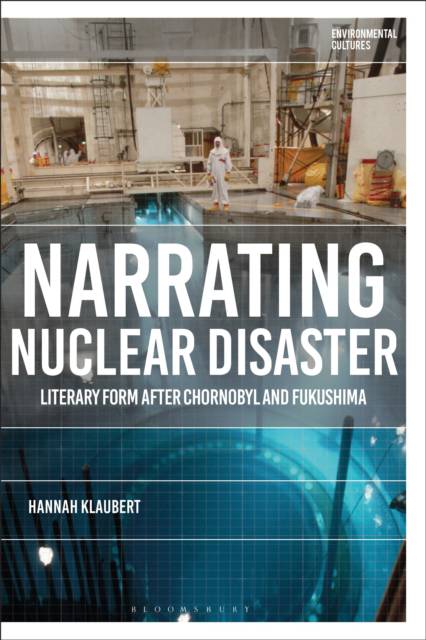
Examining literature in the aftermath of Chornobyl and Fukushima, this book considers literary genres and forms as important resources for understanding the material, environmental and social fallout of nuclear disasters.
In a field that remains scientifically contested and, in the current moment of climate breakdown, highly politicized, Narrating Nuclear Disasters offers literature as an arena for exploring the uncertainty arising from events whose short- and long-term effects remain hard to oversee. By reading a wide corpus of post-Chornobyl and post-Fukushima literature from canonical texts by Christa Wolf, Julian Barnes and Ruth Ozeki to genre fiction such as thrillers and travelogues, the book offers a new way of thinking about nuclear narratives and nuclear culture more broadly. In doing so, it positions nuclear disaster narratives within a wider context of "Anthropocene literature", forging new connections between nuclear culture and contemporary ecocriticism.Specificaties
Betrokkenen
- Auteur(s):
- Uitgeverij:
Inhoud
- Aantal bladzijden:
- 224
- Taal:
- Engels
- Reeks:
Eigenschappen
- Productcode (EAN):
- 9781350526457
- Verschijningsdatum:
- 14/05/2026
- Uitvoering:
- Hardcover
- Formaat:
- Genaaid
- Afmetingen:
- 156 mm x 234 mm
- Gewicht:
- 498 g


Alleen bij Standaard Boekhandel
+ 390 punten op je klantenkaart van Standaard Boekhandel
CADEAU

AANGERADEN


Beoordelingen
We publiceren alleen reviews die voldoen aan de voorwaarden voor reviews. Bekijk onze voorwaarden voor reviews.