


- Afhalen na 1 uur in een winkel met voorraad
- Gratis thuislevering in België vanaf € 30
- Ruim aanbod met 7 miljoen producten
- Afhalen na 1 uur in een winkel met voorraad
- Gratis thuislevering in België vanaf € 30
- Ruim aanbod met 7 miljoen producten





€ 168,45
+ 336 punten
Uitvoering
Omschrijving
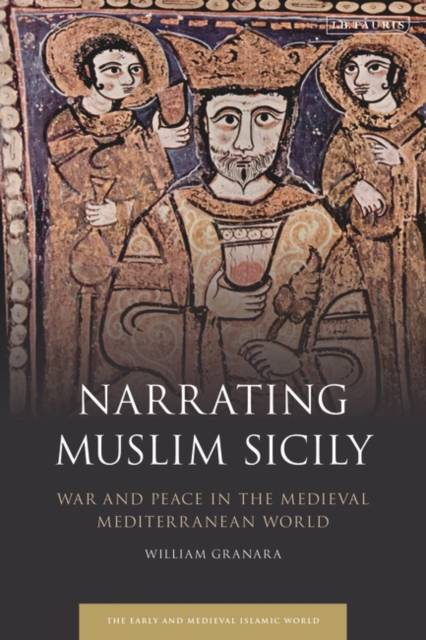
In 902 the last Byzantine stronghold in Sicily fell, and the island would remain under Muslim control until the arrival of the Normans in the eleventh century. Drawing on a lifetime of translating and linguistic experience, William Granara here focuses on the various ways in which medieval Arab historians, geographers, jurists and philologists imagined and articulated their ever-changing identities in this turbulent period. All of these authors sought to make sense of the island's dramatic twists, including conquest and struggles over political sovereignty, and the painful decline of social and cultural life. Writing about Siqilliya involved drawing from memory, conjecture and then-current theories of why nations and people rose and fell. In so doing, Granara considers and translates, often for the first time, a vast range of primary sources - from the master chronicles of Ibn al-Athir and Ibn Khadun to biographical dictionaries, geographical works, legal treatises and poetry - and modern scholarship not available in English. He charts the shift from Sicily as 'warrior outpost' to vital and productive hub that would transform the medieval Islamic world, and indeed the entire Mediterranean.
Specificaties
Betrokkenen
- Auteur(s):
- Uitgeverij:
Inhoud
- Aantal bladzijden:
- 240
- Taal:
- Engels
- Reeks:
Eigenschappen
- Productcode (EAN):
- 9781788313063
- Verschijningsdatum:
- 27/06/2019
- Uitvoering:
- Hardcover
- Formaat:
- Genaaid
- Afmetingen:
- 165 mm x 239 mm
- Gewicht:
- 498 g


Alleen bij Standaard Boekhandel
+ 336 punten op je klantenkaart van Standaard Boekhandel
Cadeau

AANGERADEN


Beoordelingen
We publiceren alleen reviews die voldoen aan de voorwaarden voor reviews. Bekijk onze voorwaarden voor reviews.