


- Afhalen na 1 uur in een winkel met voorraad
- Gratis thuislevering in België vanaf € 30
- Ruim aanbod met 7 miljoen producten
- Afhalen na 1 uur in een winkel met voorraad
- Gratis thuislevering in België vanaf € 30
- Ruim aanbod met 7 miljoen producten





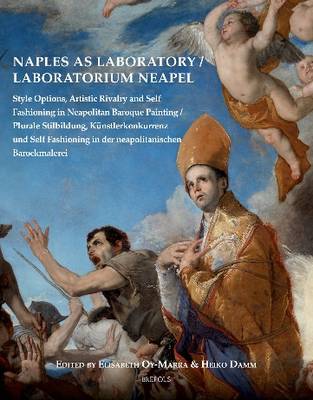
Naples as Laboratory / Laboratorium Neapel
Elisabeth Oy-Marra
€ 100,70
+ 201 punten
Omschrijving
Seventeenth-Century painting in Naples distinguishes itself from that of other artistic capitals for its immense variety of coexisting styles and, in turn, for the rivalry this inspired among artists living in the principal city of the Spanish viceroys. The various tendencies, in fact, might best be described as the manifestation of these rivalries among predominant artists in and around Naples, known in the annals of art history as the great reformers of painting at the turn of the seventeenth century: Caravaggio, who on his travels to and from Malta left behind a number of highly influential paintings; two pupils of Annibale Carracci, Domenichino and Giovanni Lanfranco, who left their individual marks on the city for nearly a decade; the Spaniard Jusepe de Ribera, who lived and worked in Naples and was visited by Velázquez as he journeyed through Italy. Under Spanish rule and closely tied to the Papal States, this major center of trade on the gulf presented a unique point of convergence for these heterogeneous cultural currents. This conference volume brings together contributions on painters such as Caravaggio and Jusepe de Ribera, as well as Aniello Falcone, Artemisia Gentileschi, Salvator Rosa, and Francesco Solimena. The recurring subject throughout the texts is self-promotion and self-fashioning, as well as the artists' social and intellectual situation 'in situ'.
Specificaties
Betrokkenen
- Auteur(s):
- Uitgeverij:
Inhoud
- Aantal bladzijden:
- 194
- Taal:
- Frans
- Reeks:
Eigenschappen
- Productcode (EAN):
- 9782503579665
- Verschijningsdatum:
- 22/01/2026
- Uitvoering:
- Paperback
- Formaat:
- Trade paperback (VS)
- Gewicht:
- 984 g


Alleen bij Standaard Boekhandel
+ 201 punten op je klantenkaart van Standaard Boekhandel
Cadeau

AANGERADEN


Beoordelingen
We publiceren alleen reviews die voldoen aan de voorwaarden voor reviews. Bekijk onze voorwaarden voor reviews.