


- Afhalen na 1 uur in een winkel met voorraad
- Gratis thuislevering in België vanaf € 30
- Ruim aanbod met 7 miljoen producten
- Afhalen na 1 uur in een winkel met voorraad
- Gratis thuislevering in België vanaf € 30
- Ruim aanbod met 7 miljoen producten





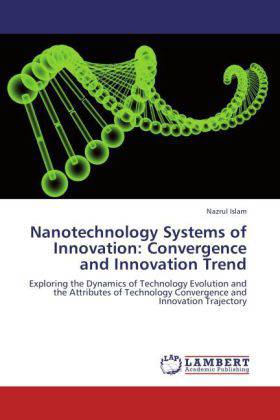
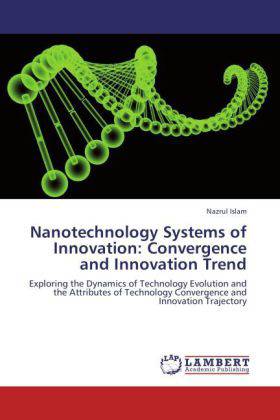
Nanotechnology Systems of Innovation: Convergence and Innovation Trend
Exploring the Dynamics of Technology Evolution and the Attributes of Technology Convergence and Innovation Trajectory
Nazrul Islam
Paperback | Engels
€ 67,45
+ 134 punten
Omschrijving
Nanotechnology has been regarded as a science and technology-based innovation and is recognized as a promising new growth innovator of the 21st century. This book explores the macro level study of nano-scientific evolution; analyzes the actors structures, their roles and linkages; establishes nanotechnology convergence pattern, and identifies demand and push factors for driving technology innovation. This seems to be unique in the study of nanotechnology systems of innovation, and is particularly important for seeking to capture the attributes related to its co-evolutionary nature. It suggests a multi-level framework of nanotechnology convergence and innovation trajectories, shows a model of nanotechnology innovation paths, and designs nanotechnology road mapping. This study confirms the importance of collaborative networks between divergent scientific fields across institutions, and suggests universities and industry be more open to non-traditional collaboration to ease technology transfer. Because such an innovation pattern could be considered a major generator of future economic development opportunities.
Specificaties
Betrokkenen
- Auteur(s):
- Uitgeverij:
Inhoud
- Aantal bladzijden:
- 196
- Taal:
- Engels
Eigenschappen
- Productcode (EAN):
- 9783846516621
- Verschijningsdatum:
- 5/01/2012
- Uitvoering:
- Paperback
- Afmetingen:
- 152 mm x 229 mm
- Gewicht:
- 295 g


Alleen bij Standaard Boekhandel
+ 134 punten op je klantenkaart van Standaard Boekhandel
Cadeau

AANGERADEN


Beoordelingen
We publiceren alleen reviews die voldoen aan de voorwaarden voor reviews. Bekijk onze voorwaarden voor reviews.