


- Afhalen na 1 uur in een winkel met voorraad
- Gratis thuislevering in België vanaf € 30
- Ruim aanbod met 7 miljoen producten
- Afhalen na 1 uur in een winkel met voorraad
- Gratis thuislevering in België vanaf € 30
- Ruim aanbod met 7 miljoen producten





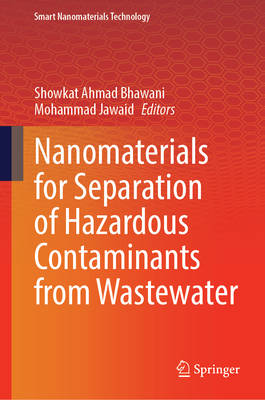
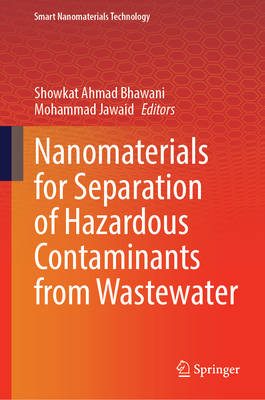
Nanomaterials for Separation of Hazardous Contaminants from Wastewater
€ 259,45
+ 518 punten
Omschrijving
This book covers the latest advancements of nanomaterials used in the removal of various toxic contaminants from wastewater such as metal ions, dyes, and pesticides. Recent advances in nanotechnology offer leapfrogging opportunities to develop next-generation water supply systems. Our current water treatment, distribution, and discharge practices, which heavily rely on conveyance and centralized systems, are no longer sustainable. The highly efficient, modular, and multifunctional processes enabled by nanotechnology are envisaged to provide high-performance, affordable water, and wastewater treatment solutions that less rely on large infrastructures. Nanotechnology-enabled water and wastewater treatment promises to not only overcome major challenges faced by existing treatment technologies, but also to provide new treatment capabilities that could allow economic utilization of unconventional water sources to expand the water supply. This book presents a variety of efficient, eco-friendly, and cost-effective nanomaterials such as carbon nanotubes, graphene, manganese oxide, zinc oxide, titanium oxide, magnesium oxide, and ferric oxides, which have unique functionalities for decontamination of industrial effluents, surface water, ground water, and drinking water. It also demonstrates the use of nanoparticles in the manufacturing of membranes for advanced water/wastewater treatment processes, where the nanoparticles allow permeability control and fouling resistance in various structures and relevant functionalities. Both polymeric and inorganic membranes are manufactured by either assembling nanoparticles into porous membranes or blending process. The contents of this book will be interesting to researchers and professionals working to develop new nanomaterials for wastewater treatment and purification.
Specificaties
Betrokkenen
- Uitgeverij:
Inhoud
- Aantal bladzijden:
- 203
- Taal:
- Engels
- Reeks:
Eigenschappen
- Productcode (EAN):
- 9789819560783
- Verschijningsdatum:
- 21/02/2026
- Uitvoering:
- Hardcover
- Formaat:
- Genaaid
- Afmetingen:
- 156 mm x 234 mm
- Gewicht:
- 476 g

Alleen bij Standaard Boekhandel
+ 518 punten op je klantenkaart van Standaard Boekhandel

Beoordelingen
We publiceren alleen reviews die voldoen aan de voorwaarden voor reviews. Bekijk onze voorwaarden voor reviews.