



Je cadeautjes zeker op tijd in huis hebben voor de feestdagen? Kom langs in onze winkels en vind het perfecte geschenk!
- Afhalen na 1 uur in een winkel met voorraad
- Gratis thuislevering in België vanaf € 30
- Ruim aanbod met 7 miljoen producten
Je cadeautjes zeker op tijd in huis hebben voor de feestdagen? Kom langs in onze winkels en vind het perfecte geschenk!
- Afhalen na 1 uur in een winkel met voorraad
- Gratis thuislevering in België vanaf € 30
- Ruim aanbod met 7 miljoen producten





€ 17,34
+ 17 punten
Uitvoering
Omschrijving
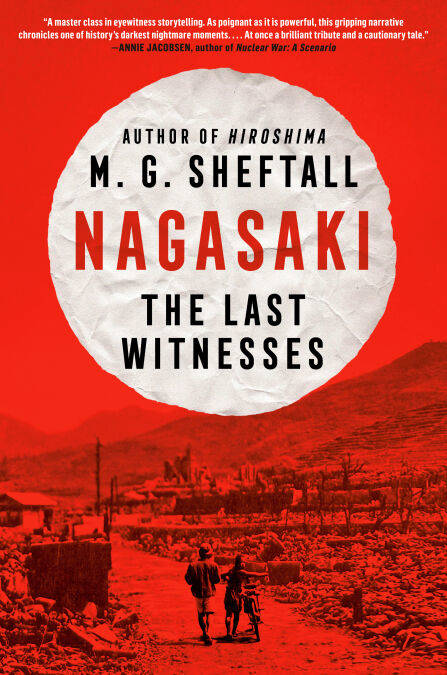
The second volume in a prize-worthy two-book series based on years of irreplicable personal interviews with survivors about each of the atomic bomb drops, first in Hiroshima and then Nagasaki, that hastened the end of the Pacific War.
On August 6, 1945, the United States unleashed a weapon unlike anything the world had ever seen. Then, just three days later, when Japan showed no sign of surrender, the United States took aim at Nagasaki.
Rendered in harrowing detail, this historical narrative is the second and final volume in M. G. Sheftall’s series Embers. Sheftall has spent years personally interviewing hibakusha—the Japanese word for atomic bomb survivors. These last living witnesses are a vanishing memory resource, the only people who can still provide us with reliable and detailed testimony about life in their cities before the use of nuclear weaponry.
The result is an intimate, firsthand account of life in Nagasaki, and the story of incomprehensible devastation and resilience in the aftermath of the second atomic bomb drop. This blow-by-blow account takes us from the city streets, as word of the attack on Hiroshima reaches civilians, to the cockpit of Bockscar, when Charles Sweeney dropped “Fat Man," to the interminable six days while the world waited to see if Japan would surrender to the Allies--or if more bombs would fall.
On August 6, 1945, the United States unleashed a weapon unlike anything the world had ever seen. Then, just three days later, when Japan showed no sign of surrender, the United States took aim at Nagasaki.
Rendered in harrowing detail, this historical narrative is the second and final volume in M. G. Sheftall’s series Embers. Sheftall has spent years personally interviewing hibakusha—the Japanese word for atomic bomb survivors. These last living witnesses are a vanishing memory resource, the only people who can still provide us with reliable and detailed testimony about life in their cities before the use of nuclear weaponry.
The result is an intimate, firsthand account of life in Nagasaki, and the story of incomprehensible devastation and resilience in the aftermath of the second atomic bomb drop. This blow-by-blow account takes us from the city streets, as word of the attack on Hiroshima reaches civilians, to the cockpit of Bockscar, when Charles Sweeney dropped “Fat Man," to the interminable six days while the world waited to see if Japan would surrender to the Allies--or if more bombs would fall.
Specificaties
Betrokkenen
- Auteur(s):
- Uitgeverij:
Inhoud
- Aantal bladzijden:
- 496
- Taal:
- Engels
- Reeks:
Eigenschappen
- Productcode (EAN):
- 9780593472293
- Verschijningsdatum:
- 4/08/2025
- Uitvoering:
- E-book
- Beveiligd met:
- Adobe DRM
- Formaat:
- ePub


Alleen bij Standaard Boekhandel
+ 17 punten op je klantenkaart van Standaard Boekhandel
CADEAU


Beoordelingen
We publiceren alleen reviews die voldoen aan de voorwaarden voor reviews. Bekijk onze voorwaarden voor reviews.