


- Afhalen na 1 uur in een winkel met voorraad
- Gratis thuislevering in België vanaf € 30
- Ruim aanbod met 7 miljoen producten
- Afhalen na 1 uur in een winkel met voorraad
- Gratis thuislevering in België vanaf € 30
- Ruim aanbod met 7 miljoen producten




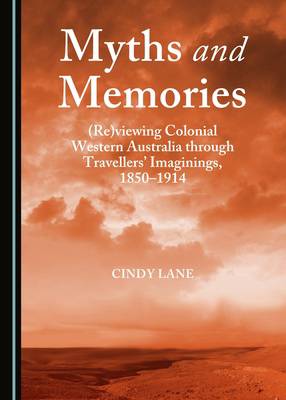
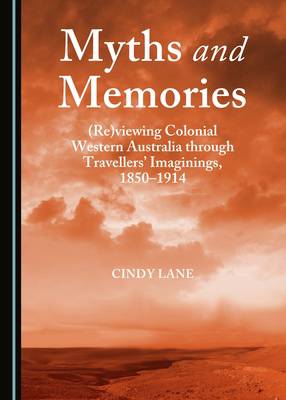
Myths and Memories
(Re)Viewing Colonial Western Australia Through Travellers' Imaginings, 1850-1914
Cindy Lane
Hardcover | Engels
€ 69,95
+ 139 punten
Omschrijving
This book examines the perceptions of European travelling writers about southern Western Australia between 1850 and 1914. Theirs was a narrow vision of space and people in the region, shaped by their individual personalities, their position in society, and the prevailing discourses and ideologies of the age. Christian, Enlightenment, and Romantic philosophies had a major influence on their responses to the land - its cultivation and conservation, and its aesthetic qualities - and on their views of both indigenous and settler colonial society - their class and assumptions of race and ethnicity. The travelling men and women perpetuated an idealised view of a colonised landscape, and a pioneer community that eliminated class struggle and inequality, even though an analysis of their observations suggests otherwise. Nevertheless, although limited, their narratives are invaluable as a reflection of opinions, attitudes and knowledge prevalent during an age of imperialism. Their perspectives reveal unique viewpoints that differ from those of immigrants who wrote about their hopes and fears in making a new life for themselves. These travellers were economically secure, literate and educated; foundations which provide an insight into the way power and privilege, implicit in their writings, governed the way they imagined Western Australia in the colonial and immediate post-federation period. The tinted lenses through which European travelling writers narrowly observed space and people, presented a mythical, imagined sense of southern Western Australia.
Specificaties
Betrokkenen
- Auteur(s):
- Uitgeverij:
Inhoud
- Aantal bladzijden:
- 367
- Taal:
- Engels
Eigenschappen
- Productcode (EAN):
- 9781443872447
- Verschijningsdatum:
- 18/02/2015
- Uitvoering:
- Hardcover
- Formaat:
- Genaaid
- Afmetingen:
- 147 mm x 206 mm
- Gewicht:
- 635 g


Alleen bij Standaard Boekhandel
+ 139 punten op je klantenkaart van Standaard Boekhandel
CADEAU

AANGERADEN


Beoordelingen
We publiceren alleen reviews die voldoen aan de voorwaarden voor reviews. Bekijk onze voorwaarden voor reviews.