


- Afhalen na 1 uur in een winkel met voorraad
- Gratis thuislevering in België vanaf € 30
- Ruim aanbod met 7 miljoen producten
- Afhalen na 1 uur in een winkel met voorraad
- Gratis thuislevering in België vanaf € 30
- Ruim aanbod met 7 miljoen producten





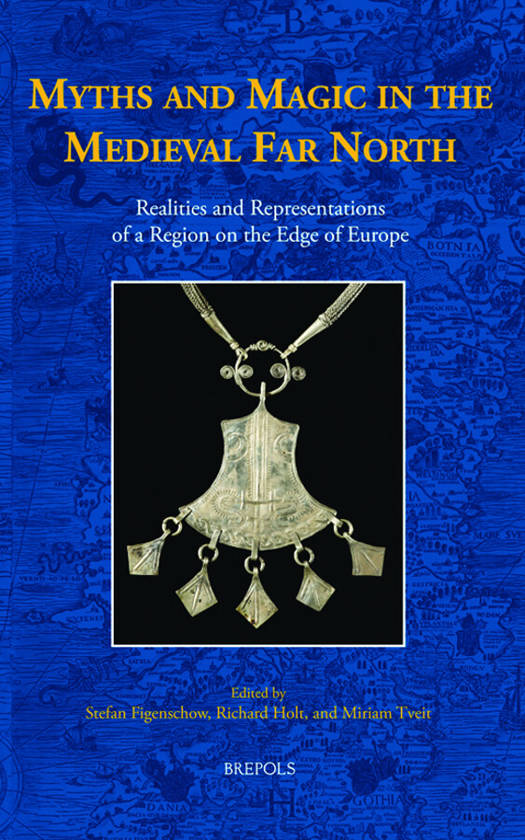
Myths and Magic in the Medieval Far North
Realities and Representations of a Region on the Edge of Europe
Stefan Figenschow
€ 79,50
+ 159 punten
Omschrijving
The history of the Far North is tinged by dark fantasies. A remote location, harsh climate, a boundless and often mountainous wasteland, complex ethnic composition, and strange ways of life: all contributed to how the edge of Europe was misunderstood by outsiders. Since ancient times, the North has been considered as a place that exuded evil: it was the end of the world, the abode of monsters and supernatural beings, of magicians and sorcerers. It was Europe's last bastion of recalcitrant paganism. Many weird tales of the North even came from within the region itself, and when newly literate Scandinavians began to re-work their oral traditions into written form after 1100 AD, these myths of their past underlay newer legends and stories serving to support the development to Christian national monarchies. The essays in this volume engage closely with these stories, questioning how and why such traditions developed, and exploring their meaning. Through this approach, the volume also examines how historiographical traditions were shaped by authors pursuing agendas of nation-building and Christianization, at the same time that myths surrounding and originating among the multi-ethnic populations of the Far North continued to dominate the perception of the region and its people, and to define their place in Norwegian medieval history.
Specificaties
Betrokkenen
- Auteur(s):
- Uitgeverij:
Inhoud
- Aantal bladzijden:
- 280
- Taal:
- Engels
- Reeks:
- Reeksnummer:
- nr. 10
Eigenschappen
- Productcode (EAN):
- 9782503588230
- Verschijningsdatum:
- 28/01/2021
- Uitvoering:
- Hardcover
- Formaat:
- Genaaid
- Afmetingen:
- 160 mm x 242 mm
- Gewicht:
- 612 g


Alleen bij Standaard Boekhandel
+ 159 punten op je klantenkaart van Standaard Boekhandel
Cadeau

AANGERADEN


Beoordelingen
We publiceren alleen reviews die voldoen aan de voorwaarden voor reviews. Bekijk onze voorwaarden voor reviews.