



Je cadeautjes zeker op tijd in huis hebben voor de feestdagen? Kom langs in onze winkels en vind het perfecte geschenk!
- Afhalen na 1 uur in een winkel met voorraad
- Gratis thuislevering in België vanaf € 30
- Ruim aanbod met 7 miljoen producten
Je cadeautjes zeker op tijd in huis hebben voor de feestdagen? Kom langs in onze winkels en vind het perfecte geschenk!
- Afhalen na 1 uur in een winkel met voorraad
- Gratis thuislevering in België vanaf € 30
- Ruim aanbod met 7 miljoen producten





Omschrijving
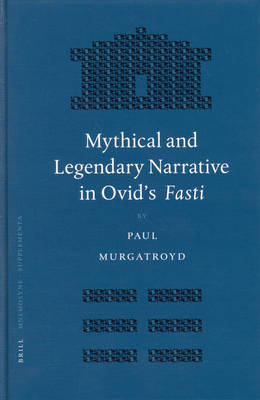
This book analyses the mythical and legendary narratives in Ovid's Fasti as narrative and concentrates on the neglected literary aspects of these stories. It combines traditional tools of literary criticism with more modern techniques (taken especially from narratology and intertextuality).
From a narratological viewpoint it covers important features such as aperture, closure, characterization, internal narrators, description, space, time and cinematic technique. On the intertextual level it examines the narratives' complex relationship with Virgil, Livy and Ovid's own earlier works.
Recent criticism on the Fasti has addressed various elements (religious, historical, political, astronomical etc.), but detailed narrative study has been wanting. This book fills that gap, to provide a more informed and balanced appreciation of this multifaceted poem aimed at classicists and literary critics in general (for whom all the Latin is translated).
From a narratological viewpoint it covers important features such as aperture, closure, characterization, internal narrators, description, space, time and cinematic technique. On the intertextual level it examines the narratives' complex relationship with Virgil, Livy and Ovid's own earlier works.
Recent criticism on the Fasti has addressed various elements (religious, historical, political, astronomical etc.), but detailed narrative study has been wanting. This book fills that gap, to provide a more informed and balanced appreciation of this multifaceted poem aimed at classicists and literary critics in general (for whom all the Latin is translated).
Specificaties
Betrokkenen
- Auteur(s):
- Uitgeverij:
Inhoud
- Aantal bladzijden:
- 320
- Taal:
- Engels
- Reeks:
- Reeksnummer:
- nr. 263
Eigenschappen
- Productcode (EAN):
- 9789004143203
- Verschijningsdatum:
- 28/02/2005
- Uitvoering:
- Hardcover
- Formaat:
- Genaaid
- Afmetingen:
- 164 mm x 245 mm
- Gewicht:
- 716 g


Alleen bij Standaard Boekhandel
+ 595 punten op je klantenkaart van Standaard Boekhandel
CADEAU


Beoordelingen
We publiceren alleen reviews die voldoen aan de voorwaarden voor reviews. Bekijk onze voorwaarden voor reviews.