


- Afhalen na 1 uur in een winkel met voorraad
- Gratis thuislevering in België vanaf € 30
- Ruim aanbod met 7 miljoen producten
- Afhalen na 1 uur in een winkel met voorraad
- Gratis thuislevering in België vanaf € 30
- Ruim aanbod met 7 miljoen producten




Omschrijving
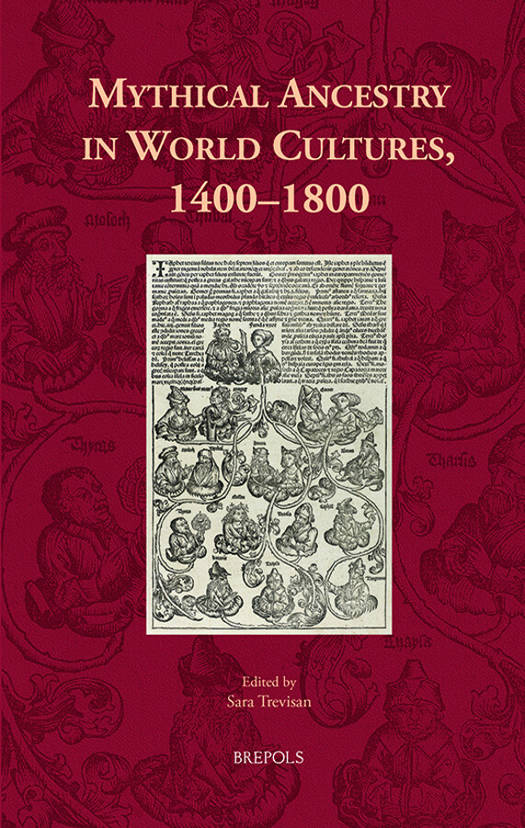
From Europe to the Ottoman Empire, from Mesoamerica to the Mughal dynasty, rulers and peoples in the early modern period put deities and culture heroes in their family trees. The essays in this collection investigate the issues of ancestry, descent, kinship, and kingship that are revealed by this worldwide practice. The authors explore the meaning and role of 'myth' in different global cultures, and how the social role of myth defined identity through genealogical discourse. What did people understand by 'mythical' and how did they think of themselves as related to their mythical past? How seriously were these various claims of mythical descent taken? And how did claims function within the different power relations of societies around the globe? Up to now, the predominant Eurocentric perspective in early modern studies has encouraged a focus on Renaissance Greco-Roman mythology and its role in literature and art. This volume, however, breaks new ground through its unique exploration of the way in which the genealogical use of 'myth' was shared by world cultures.
Specificaties
Betrokkenen
- Auteur(s):
- Uitgeverij:
Inhoud
- Aantal bladzijden:
- 196
- Taal:
- Engels
- Reeks:
- Reeksnummer:
- nr. 35
Eigenschappen
- Productcode (EAN):
- 9782503580098
- Verschijningsdatum:
- 12/10/2018
- Uitvoering:
- Hardcover
- Formaat:
- Genaaid
- Afmetingen:
- 163 mm x 241 mm
- Gewicht:
- 476 g


Alleen bij Standaard Boekhandel
+ 159 punten op je klantenkaart van Standaard Boekhandel
AANGERADEN


Beoordelingen
We publiceren alleen reviews die voldoen aan de voorwaarden voor reviews. Bekijk onze voorwaarden voor reviews.