


- Afhalen na 1 uur in een winkel met voorraad
- Gratis thuislevering in België vanaf € 30
- Ruim aanbod met 7 miljoen producten
- Afhalen na 1 uur in een winkel met voorraad
- Gratis thuislevering in België vanaf € 30
- Ruim aanbod met 7 miljoen producten





€ 12,99
+ 12 punten
Omschrijving
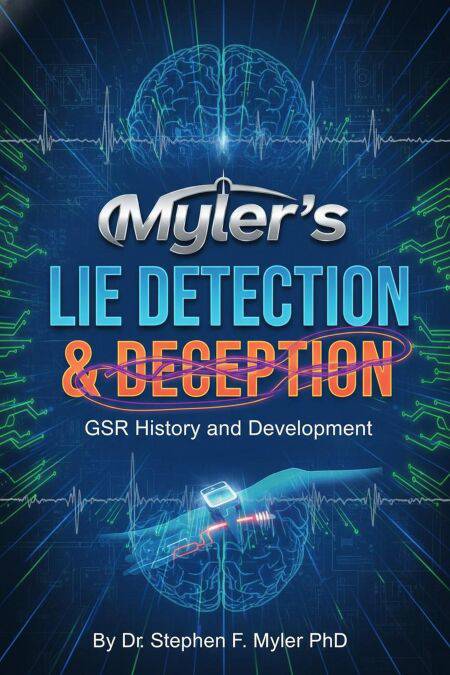
This book does three things at once, because the issue sits at the crossroads of history, science, and practice.
First, it traces the history of the polygraph and the technical evolution of GSR. Machines and ideas shaped each other: early inventors built devices that fit the questions society wanted answered, and in turn those devices pushed new claims into the world. Tracing that history helps us see why myths about "truth machines" took hold.
Second, the book digs into the science of arousal, memory, and stress. I read this literature through trauma informed and neurodiversity affirming lenses. That means we pay attention not just to averages and statistics, but to the range of human experience — to people whose bodies and minds work differently, and to how past harm can show up in a lab report as if it were guilt.
Third, the book offers practical guidance on interpretation, ethics, and use. Across legal, clinical, and workplace contexts I unpack common pitfalls: overconfidence in single signals, ignoring baseline variability, and treating physiological data outside of context. I pair critique with alternatives and better practices: cautious interpretation, corroborating evidence, and protocols that center consent and dignity.
Specificaties
Betrokkenen
- Auteur(s):
- Uitgeverij:
Inhoud
- Taal:
- Engels
- Reeks:
Eigenschappen
- Productcode (EAN):
- 9798233963384
- Verschijningsdatum:
- 8/01/2026
- Uitvoering:
- E-book
- Formaat:
- ePub



Alleen bij Standaard Boekhandel
+ 12 punten op je klantenkaart van Standaard Boekhandel
Cadeau

AANGERADEN


Beoordelingen
We publiceren alleen reviews die voldoen aan de voorwaarden voor reviews. Bekijk onze voorwaarden voor reviews.