



Bedankt voor het vertrouwen het afgelopen jaar! Om jou te bedanken bieden we GRATIS verzending (in België) aan op alles gedurende de hele maand januari.
- Afhalen na 1 uur in een winkel met voorraad
- In januari gratis thuislevering in België
- Ruim aanbod met 7 miljoen producten
Bedankt voor het vertrouwen het afgelopen jaar! Om jou te bedanken bieden we GRATIS verzending (in België) aan op alles gedurende de hele maand januari.
- Afhalen na 1 uur in een winkel met voorraad
- In januari gratis thuislevering in België
- Ruim aanbod met 7 miljoen producten





Omschrijving
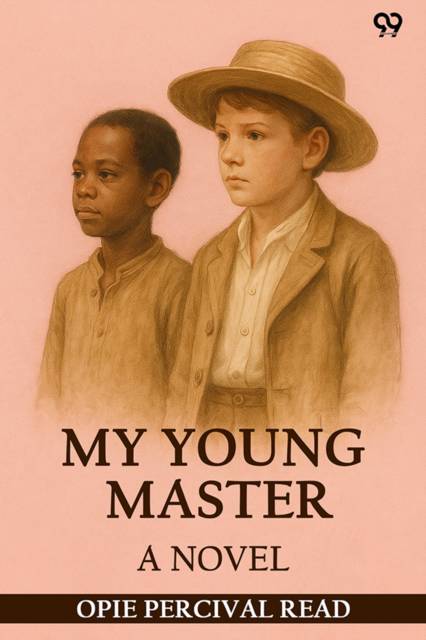
My young master: A novel focuses on the emotional and psychological layers of bondage and identity as filtered through the recollections of a narrator who lived within the confines of slavery. Rather than depicting broad political movements or historical events, the story reveals its perspective through intimate memories tied to everyday routines and relationships. These moments allow space to explore the contradictions of care and ownership, where affection is often intertwined with imbalance and control. The portrayal of early life centers on play, loyalty, and companionship, but that simplicity is slowly weighed down by an awareness of systemic dehumanization. The childlike lens through which the narrator remembers allows for a portrayal of innocence strained by status and race, where ownership and affection are held in uncomfortable proximity. Through these tensions, the book raises questions about legacy, control, and the shaping of identity under oppression. Quiet moments of reflection and daily labor become avenues for subtle critique, exposing how deeply social constructs permeate even personal bonds. The novel is less a sweeping chronicle than a personal reckoning with memory, perception, and the long shadow of social structures disguised as tradition.
Specificaties
Betrokkenen
- Auteur(s):
- Uitgeverij:
Inhoud
- Aantal bladzijden:
- 156
- Taal:
- Engels
Eigenschappen
- Productcode (EAN):
- 9789371135146
- Verschijningsdatum:
- 1/05/2025
- Uitvoering:
- Paperback
- Formaat:
- Trade paperback (VS)
- Afmetingen:
- 140 mm x 216 mm
- Gewicht:
- 185 g



Alleen bij Standaard Boekhandel
+ 47 punten op je klantenkaart van Standaard Boekhandel
SOLDEN


Beoordelingen
We publiceren alleen reviews die voldoen aan de voorwaarden voor reviews. Bekijk onze voorwaarden voor reviews.